I know you want warm cookies right now, but if you skip chilling the dough, you’re leaving better flavor and texture on the table.
Want to save this recipe?
Enter your email & I’ll send it to your inbox. Plus, get great new recipes from me every week!
Chilling cookie dough isn’t some fussy bakery trick. It’s one of the simplest ways to improve your cookies without changing a single ingredient. If you’ve ever wondered why your cookies spread too much, bake up flat, or taste a little one-note, this is likely the reason.
What actually happens when you chill cookie dough
When the dough rests in the refrigerator, a few important things take place.
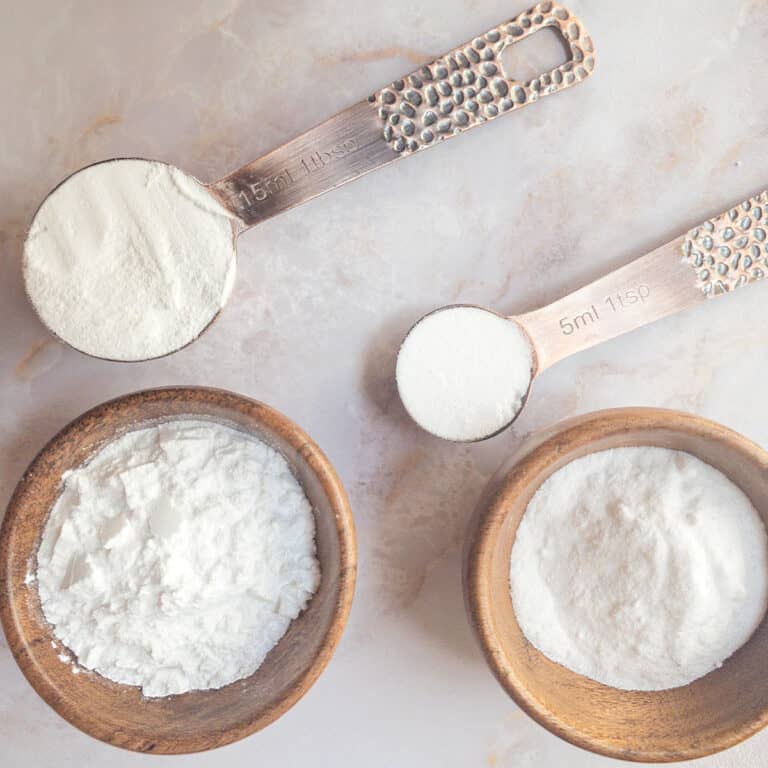
First, the flour fully hydrates. That just means the flour has time to absorb the liquid in the dough. With time, hydration helps create a better structure, so your cookies hold their shape instead of puddling in the pan.
Second, the fat firms up. Most cookie doughs rely on butter. When the butter is cold, it melts more slowly in the oven. That slower melt gives the cookie time to set around the edges before it spreads too far. The result is a thicker cookie with a better bite.
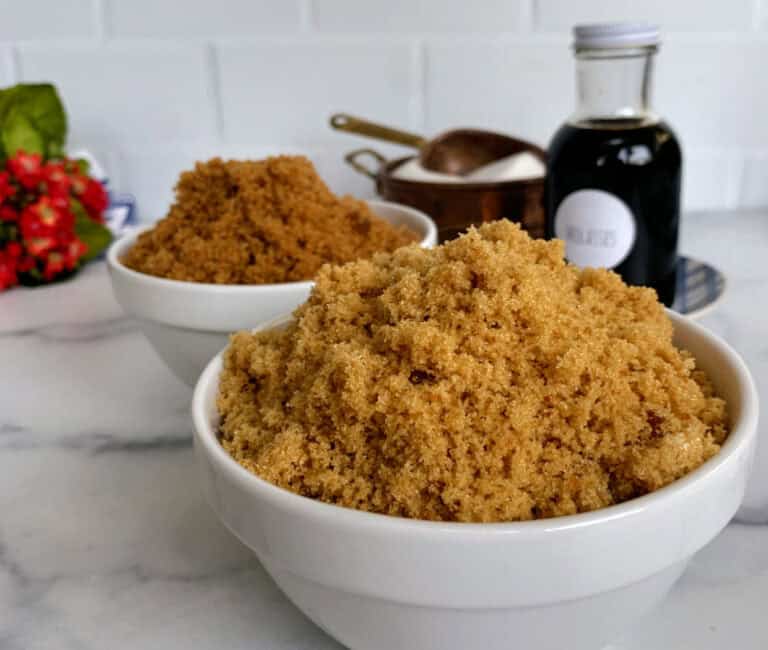
Third, the flavor deepens. Sugar begins to dissolve more completely, and the ingredients have time to mingle. It’s not magic, it’s chemistry. And the difference is noticeable, especially in classic chocolate chip cookies.
The texture difference is real
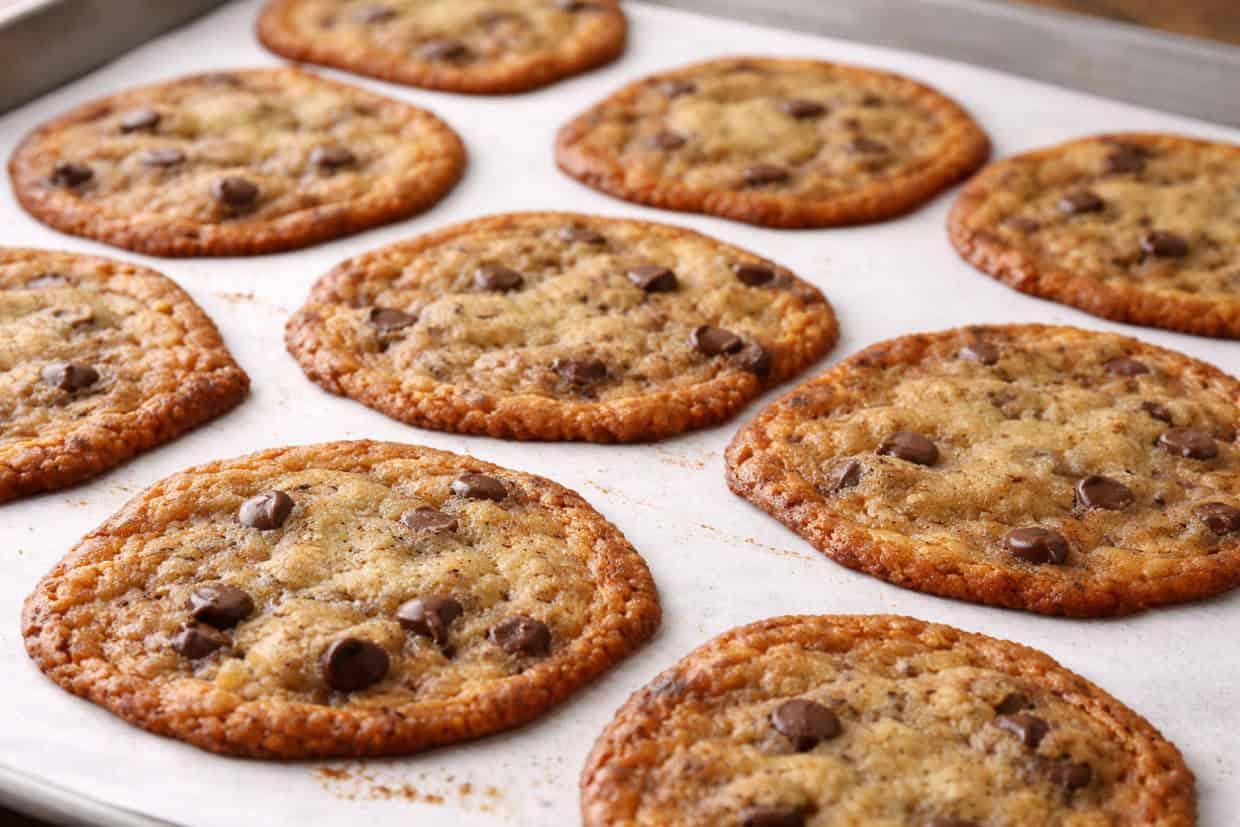
If you bake one batch of cookie dough right after mixing and another after a 24-hour chill, you’ll see the difference.
Here’s what you’ll usually notice when the cookie dough has been chilled properly:
- Thicker
- Slightly chewier
- More evenly browned
- Richer in flavor
The unchilled dough tends to spread more and bake thinner. That might be what you want for certain cookies, but for most drop cookies, a short rest in the refrigerator gives you a more dependable result.
If you want a place to start, these 18 Cookie Recipes That Always Turn Out Right are all solid choices that benefit from a quick chill and bake up just the way you expect.
How long should you chill cookie dough?
You don’t need to wait days, but a little time goes a long way.
- 30 minutes helps firm up the dough and reduce spreading
- 1 to 2 hours improves structure and texture
- 24 hours develops deeper flavor and better chew
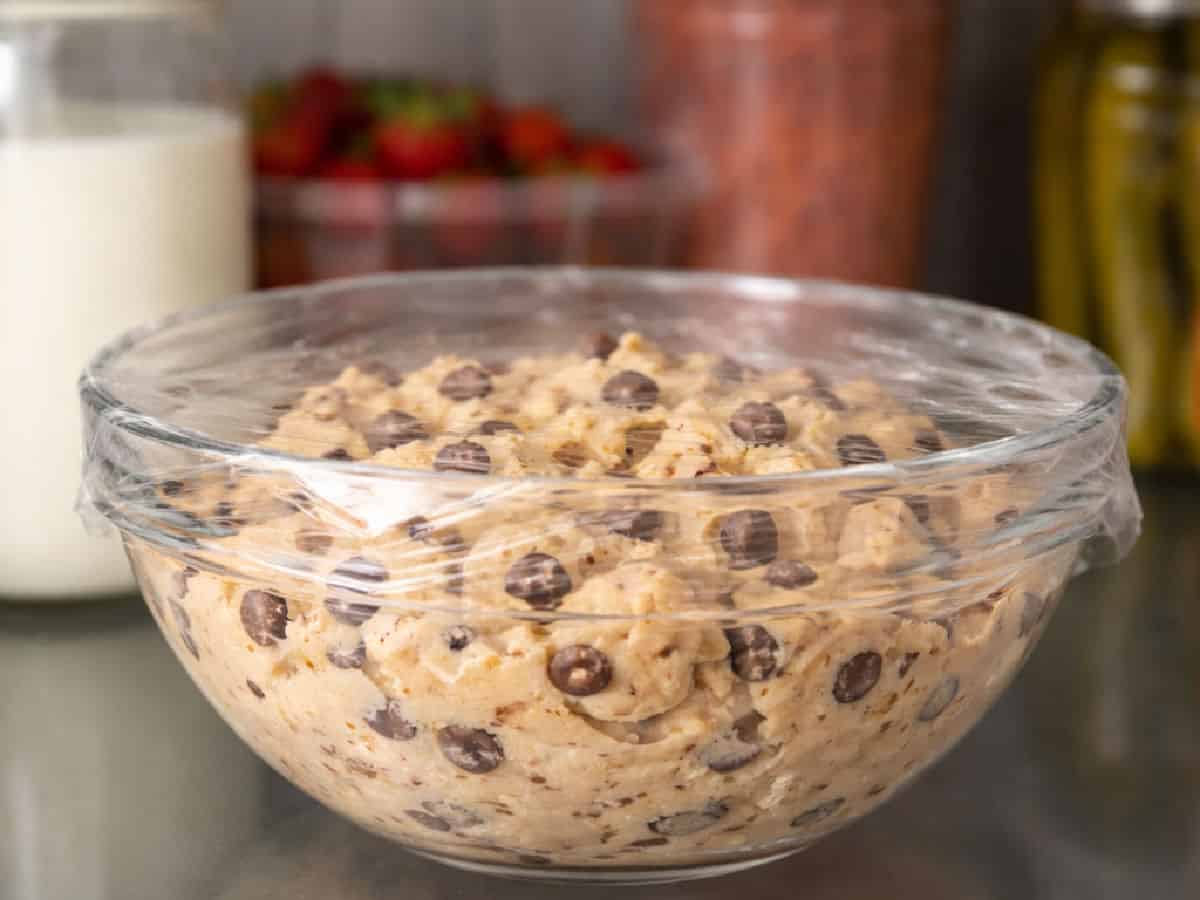
If you’re short on time, even a quick chill while the oven preheats is better than none at all. Cover the bowl tightly so the dough does not dry out.
If you are already chilling dough, you might as well make a double batch and freeze half. I walk through exactly how to portion, freeze, and bake straight from frozen in my full guide here on how to freeze cookie dough.
Freezing cookie dough means you always have ready-to-bake cookies on hand. Scoop it, freeze it, and you can bake just two or three at a time whenever you want fresh cookies without starting from scratch.
When chilling matters most
Chilling is especially important for:
- Chocolate chip cookies like these Double Chocolate Cookies.
- Sugar cookies that need clean edges
- Cut-out cookies
- Cookies made with a high ratio of butter
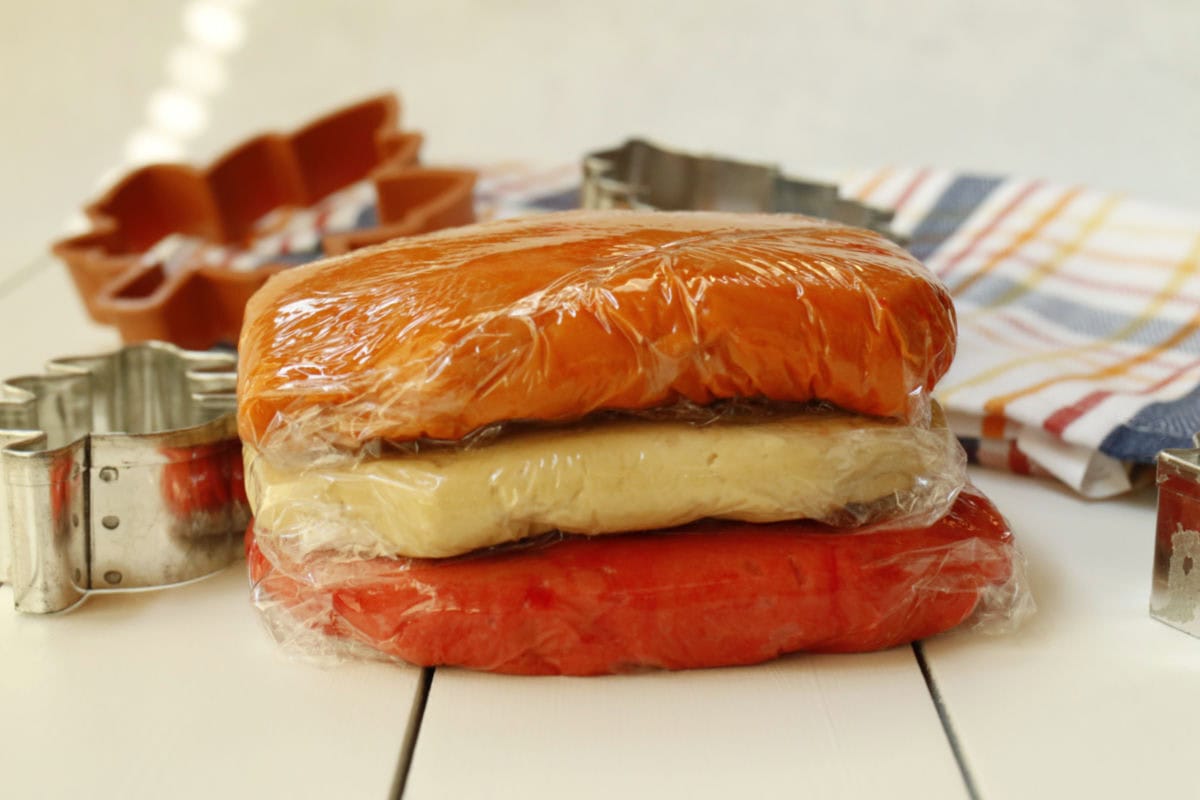
If a recipe says do not skip chilling, it is usually because the structure depends on it. Ignoring that step can turn a sharp-edged sugar cookie into a soft blob.
A simple habit that pays off
As someone who bakes from scratch regularly, I have learned that small steps make a big difference. Preheating the oven properly, measuring flour correctly, and yes, chilling cookie dough. None of it is flashy. All of it works.
If you want bakery-style results at home, patience is part of the recipe. Mix the dough, wrap it up, and let it rest. Your future self will thank you when those cookies come out of the oven thicker, chewier, and full of flavor.
Good cookies are worth the wait. Make sure to find more great cookie recipes at One Hot Oven. And once you start chilling your dough, you may never skip that step again.
About One Hot Oven
I’m Jere’ Cassidy, the baker behind One Hot Oven, where I share from-scratch baking tips and classic desserts that actually work in a real home kitchen.