Groceries cost more than they used to, and I refuse to let that mean bland dinners or tiny portions. Feeding a family well on a budget is still possible, but it takes planning and a little old-fashioned kitchen common sense.
Here’s exactly how I keep dinner costs down without making it feel like we’re cutting back.
Plan 4–5 Core Dinners, Not 7
Trying to plan a full week of fancy meals is where budgets fall apart. I stick to four or five solid dinners and plan leftovers into the schedule.
One roast chicken becomes:
Night one: roast chicken with potatoes
Night two: chicken tacos
Night three: chicken soup
Stretching protein is one of the oldest kitchen tricks in the book for a reason. It works.
Start With One Solid Protein and Stretch It
One of the smartest budget moves is cooking a whole chicken instead of buying pieces. A single bird turns into multiple meals if you handle it right.
I often make this Whole Roasted Chicken. The first night, we eat it straight from the oven with potatoes or vegetables. The next day, I pull the remaining meat for sandwiches or salads. The bones go into a pot for broth.
One purchase. Three uses. That’s how you make groceries work harder.

Want to save this recipe?
Enter your email & I’ll send it to your inbox. Plus, get great new recipes from me every week!
Plan Dinners That Naturally Stretch Meat
Meat is usually the most expensive item in the cart. Instead of building dinner around large portions, I build it around comfort and bulk.
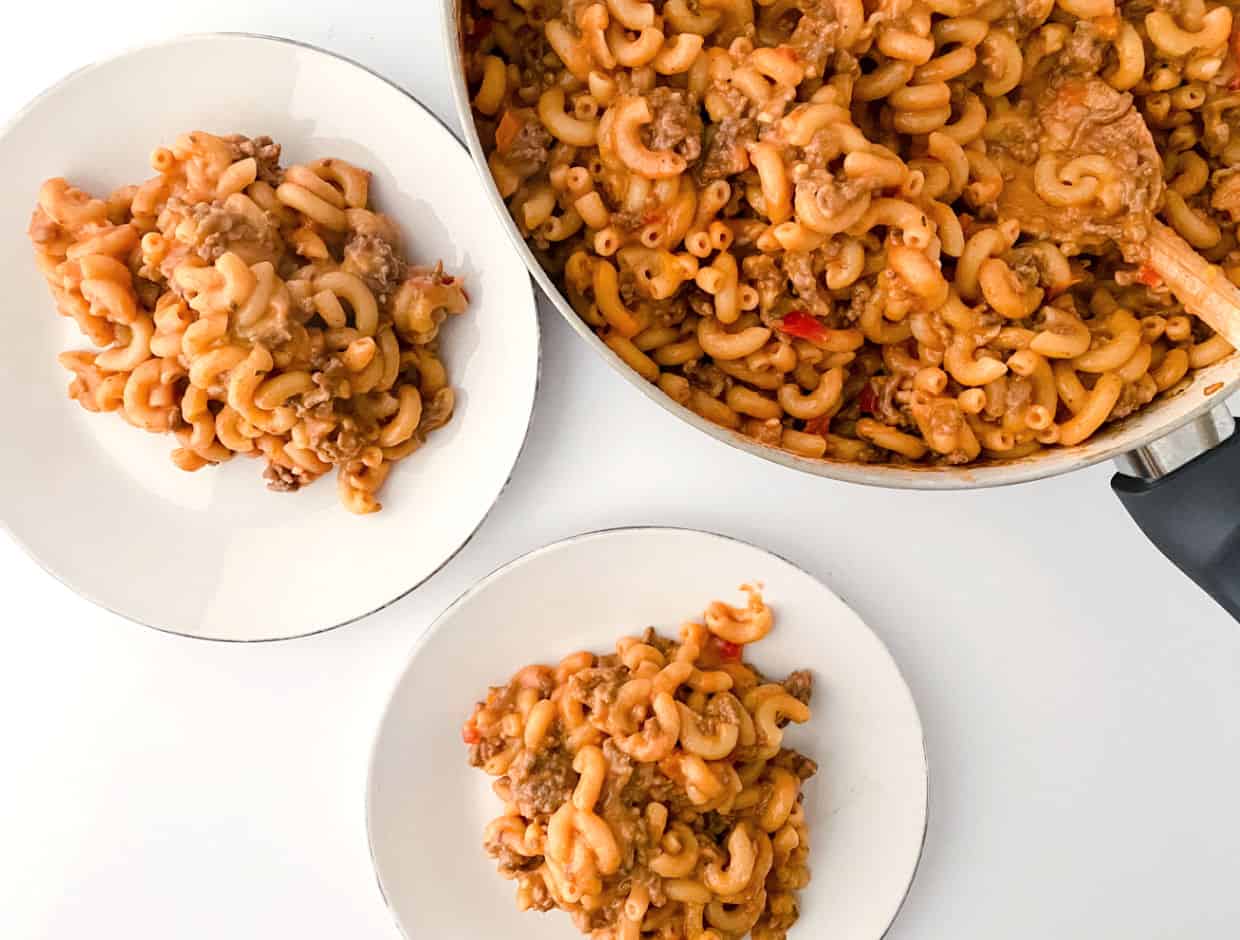
A perfect example is my Hamburger Mac and Cheese. It uses ground beef, but pasta does the heavy lifting. You get flavor and heartiness without using two pounds of meat to feed four people.
Casserole-style dinners are budget cooking at its best. They’re filling, familiar, and usually leave leftovers.
Turn Leftovers Into Something New
Leftovers should never feel like punishment. They should feel planned.
Extra roasted chicken easily becomes this Chicken Salad with Grapes. It feels fresh and completely different from the original dinner. Add some bread or serve it over greens, and dinner is done without cooking another full meal.
Reworking leftovers is one of the simplest ways to cut food waste and grocery spending at the same time.

Lean Into Inexpensive Staples
There is nothing wrong with beans, rice, pasta, potatoes, and eggs. They’ve fed families for generations.
Here are dependable budget anchors I lean on again and again:
- Pasta
- Rice
- Dried beans or canned beans
- Lentils
- Potatoes
- Eggs
- Carrots and onions
- Cabbage
Pair one of these with a vegetable and a flavorful sauce, and dinner feels complete.
Here are a few more smart buys that are often budget-friendly when the price is right:
- Whole chicken
- Chicken thighs
- Ground turkey
- Ground beef on sale
- Pork shoulder
- Broccoli
- Cauliflower
- Sweet potatoes
- Squash
If those are marked down or in season, I grab them. If they’re pricey that week, I stick with the staples and move on.
Cook Once, Eat Twice
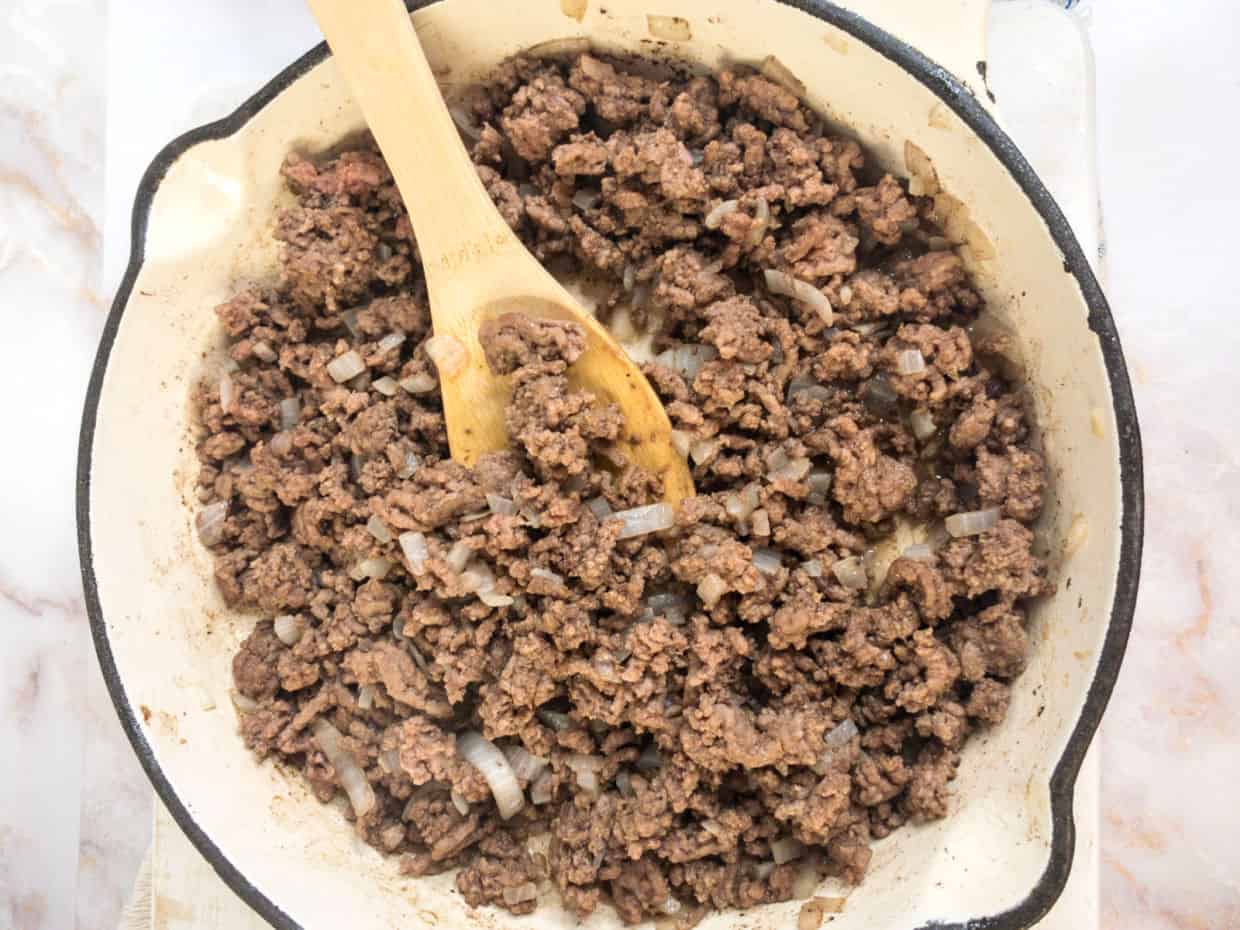
If the oven is on, make extra. If you are browning meat, brown more than you need. Tomorrow’s dinner should be easier than today’s.
This is how you avoid those expensive last-minute takeout decisions when everyone is tired.
Keep 3 to 4 Low-Cost Go-To Meals
Every kitchen needs reliable budget dinners that no one complains about. Pasta bakes. Soup and grilled cheese. Fried rice. Casseroles.
When you rotate meals like these, grocery shopping gets simpler and spending stays steady.
The Real Secret
Budget-friendly dinners are not about deprivation. They are about intention.
Cook whole ingredients. Stretch protein. Repurpose leftovers. Repeat what works.
Families have always cooked this way. It still works today. And once you get into the rhythm, it feels practical, not restrictive.
That’s how you keep dinner affordable without sacrificing comfort or flavor.
— One Hot Oven