The United States Department of Agriculture forecasts that Americans will use 5.3 billion pounds of canola oil in 2025. It’s cheap, easy to find, and works in just about anything, which is why so many kitchens rely on it.
Want to save this recipe?
Enter your email & I’ll send it to your inbox. Plus, get great new recipes from me every week!
But it’s not the only option out there. If you’ve ever wondered what else you can cook or bake with, there are plenty of oils that bring different flavors, textures, and cooking benefits to the table.
Fat plays a big role in how food turns out. It helps baked goods stay tender, gives fried food that crisp edge, and helps everything cook more evenly. Oil is one of the easiest ways to add that fat, and switching it up can change the final result in a good way.
Why look beyond canola oil
Canola oil is derived from rapeseed seeds and has been a kitchen staple for decades. It’s neutral, affordable, and works in everything from cakes to stir-fries.
That said, many home cooks like to branch out and try oils with more character or different cooking uses. Some oils bring a noticeable flavor, while others handle higher heat better. It really depends on what you’re making and how you want it to turn out.
What to think about when choosing an oil
Flavor matters. Canola oil blends in, which is why it’s often used in baking. But if you want to add a little extra something, oils like olive or sesame can change the whole feel of a dish.
Heat is another factor. Every oil has a point where it starts to smoke, and once it does, it can affect both taste and texture. If you’re frying or roasting, you’ll want something that can handle higher temperatures.
Cost and availability also come into play. Some oils are pantry staples, while others are specialty items you bring out for certain recipes.
Oils worth keeping on hand
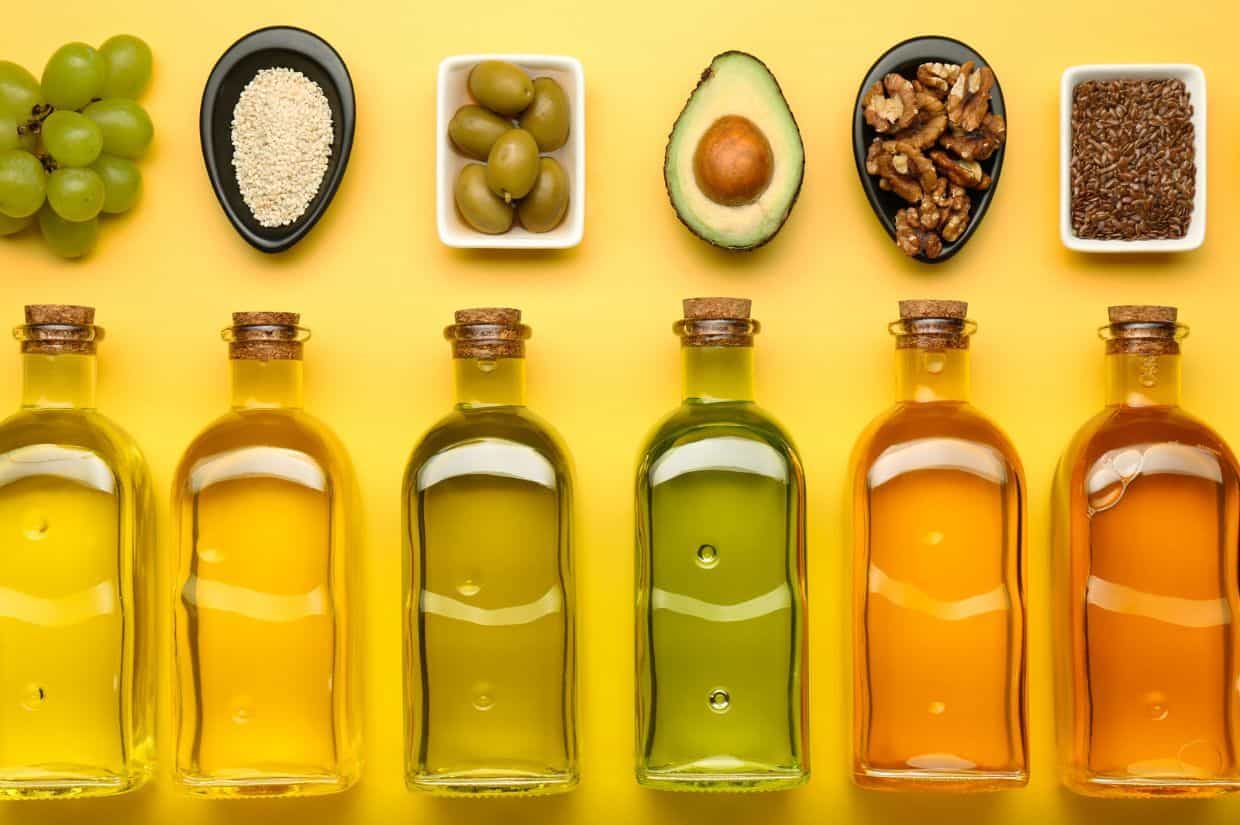
Olive oil
A longtime favorite with a richer flavor. It works well for sautéing, drizzling, or even baking, like in Lemon Olive Oil Muffins, when you want to add a little depth.
Avocado oil
Mild in taste and handles high heat well. A solid choice for roasting, grilling, or frying.
Coconut oil
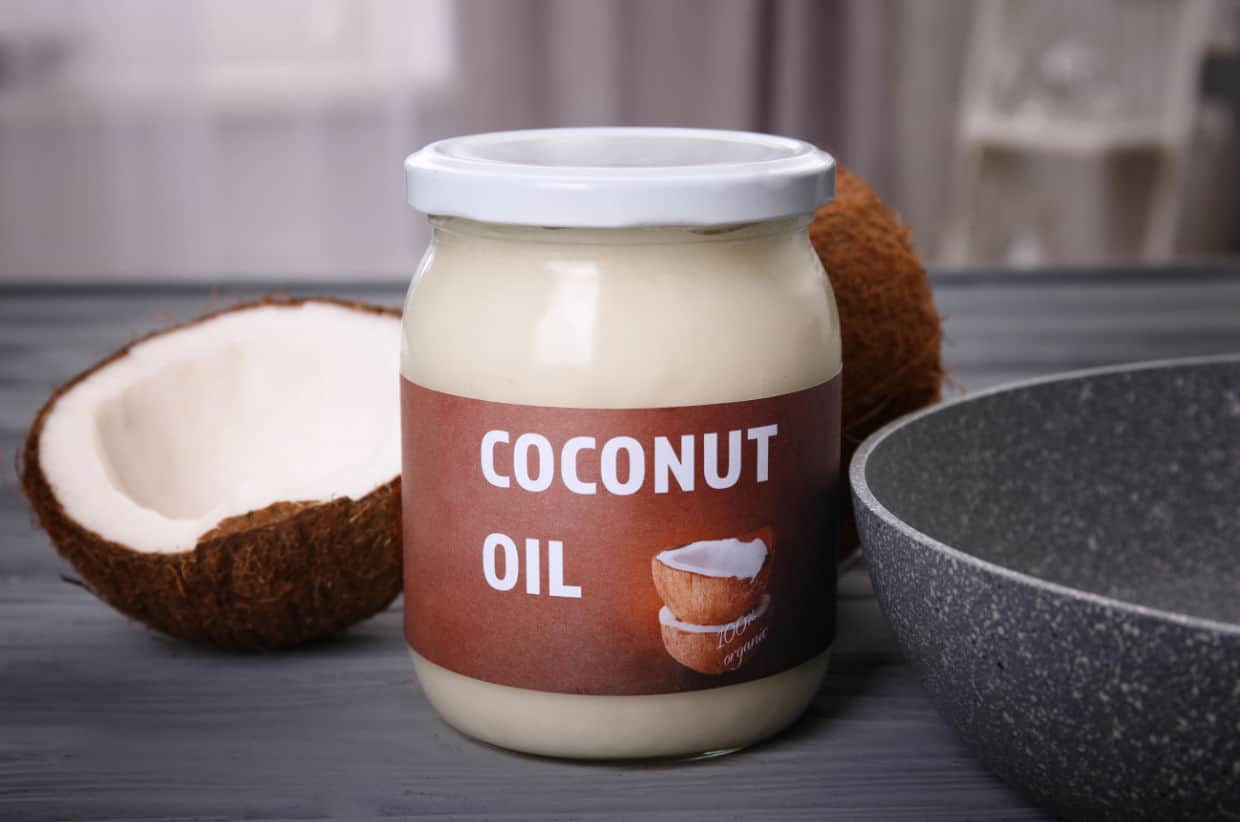
Solid at room temperature and available in refined or unrefined versions. The unrefined kind has a noticeable coconut flavor, while the refined is more neutral.
Peanut oil
A go-to for frying thanks to its high heat tolerance. It has a light, nutty flavor that works well in savory dishes.
Walnut oil
Walnut oil has a rich, nutty flavor that works best in dressings or drizzled over finished dishes. It doesn’t handle high heat well, so save it for low-heat cooking or no-cook uses where the flavor can stand out.
Sesame oil
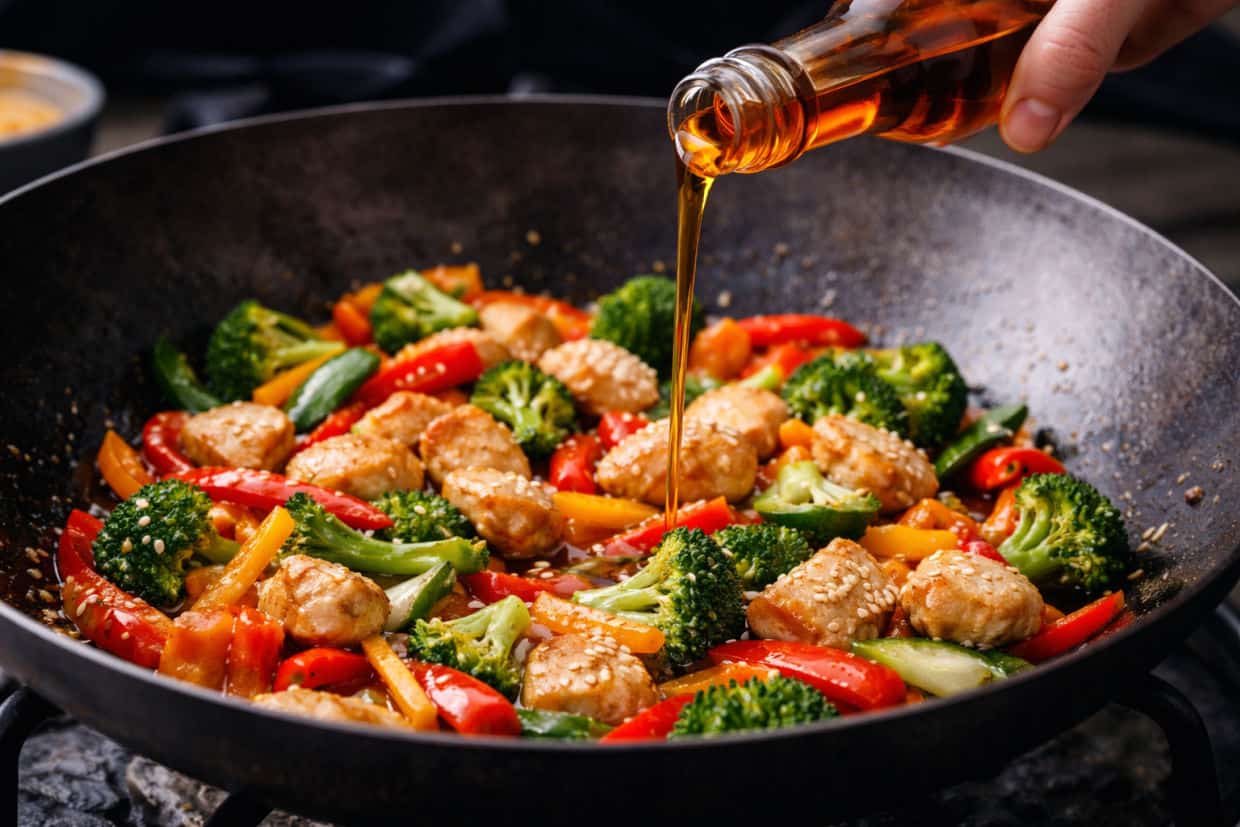
Sesame oil has a strong, toasty flavor, especially the dark variety. It’s usually added at the end of cooking or used in small amounts to bring a punch of flavor to stir-fries, noodles, and sauces.
A few more options
Sunflower oil is a budget-friendly, mild option. Grapeseed oil is light and neutral, so it won’t compete with other flavors. Sesame oil is stronger and usually used at the end of cooking for a boost of flavor rather than for frying.
Don’t forget butter and ghee
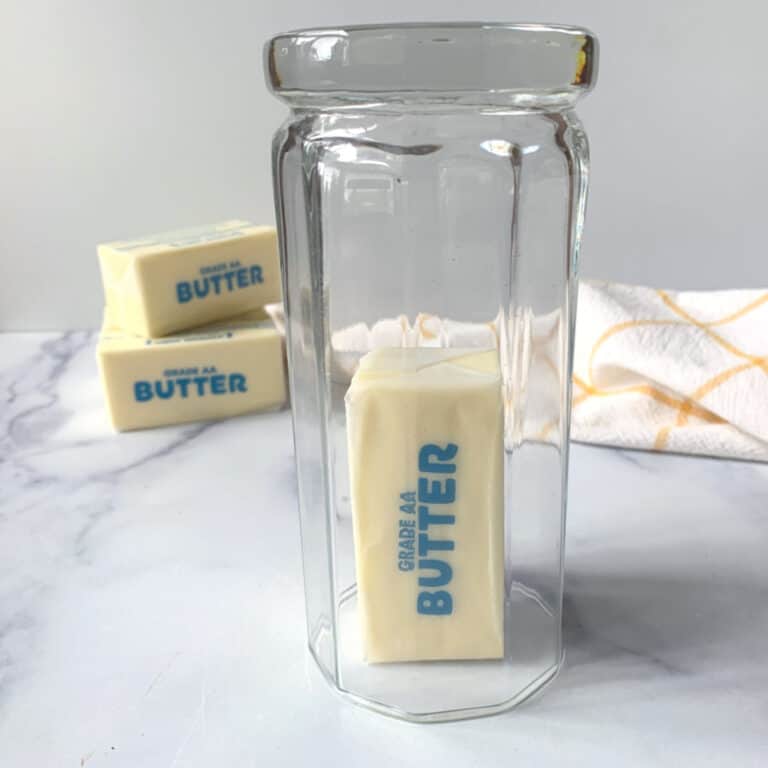
Butter is always a good choice, especially for baking. It adds richness and helps create that tender texture most baked goods need.
If you’re cooking at a higher heat, ghee is worth keeping around. It has a higher smoke point than regular butter and works well for sautéing or searing.

The bottom line
Canola oil works, no question. But once you start using different oils, you’ll notice how much they can change the flavor and feel of your food.
Keep a couple of options in your pantry and use them based on what you’re making. It’s a simple switch that can make a noticeable difference in your cooking.
About One Hot Oven
I’m Jere’ Cassidy, the baker behind One Hot Oven, where I share from-scratch baking tips and classic desserts that actually work in a real home kitchen.