
Let’s be honest. “Moist” isn’t exactly a glamorous word.
But in baking, it’s the one everyone reaches for.
And yet, every baker on the planet uses it.
Want to save this recipe?
Enter your email & I’ll send it to your inbox. Plus, get great new recipes from me every week!
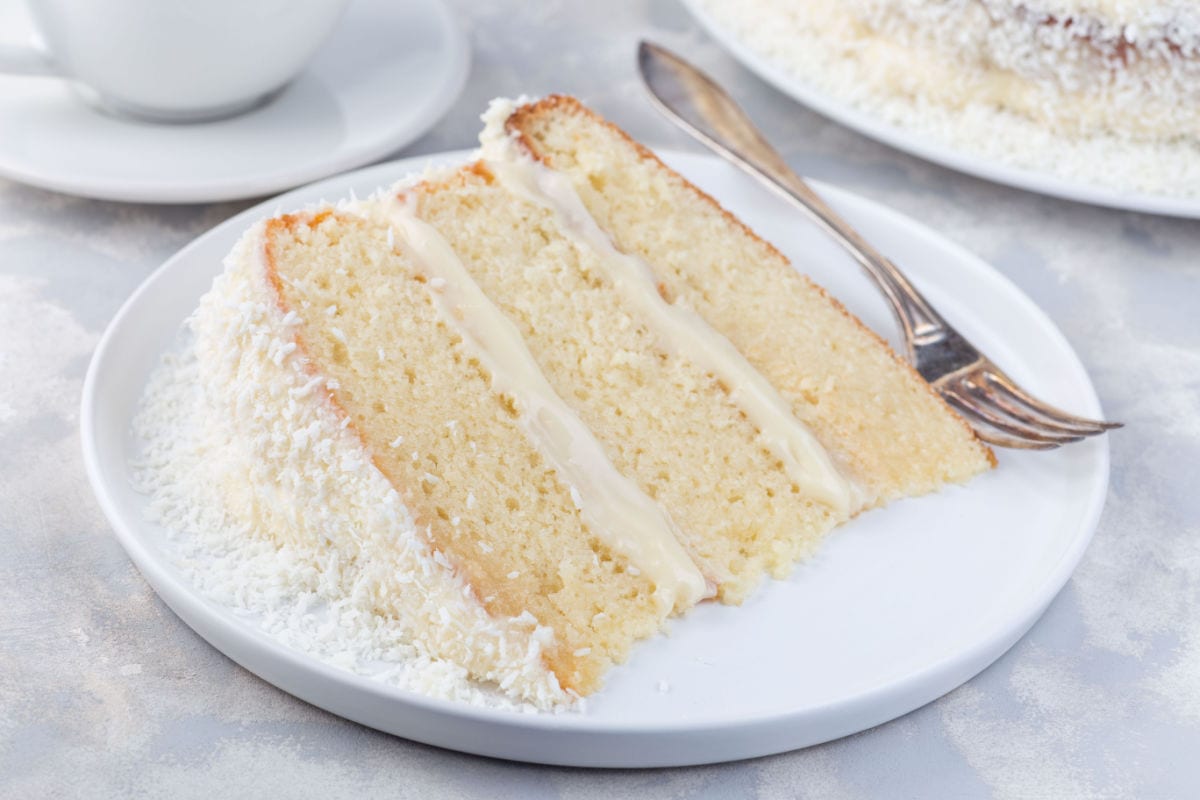
When people say they want a moist cake, what they really mean is this: they want a cake that isn’t dry, crumbly, or chalky. They want a cake that feels tender, rich, and soft from the first slice to the last crumb on the plate. So let’s talk about what actually makes that happen.
1. Fat Is Your Friend
Butter, oil, egg yolks, and even sour cream all play a role.
Fat coats flour proteins and slows down gluten development. Less gluten means a softer crumb. Oil-based cakes often feel softer longer because oil stays liquid at room temperature, while butter firms up as it cools.
That’s why a classic oil-based chocolate cake usually stays softer on day two than a straight butter cake.
2. Sugar Does More Than Sweeten
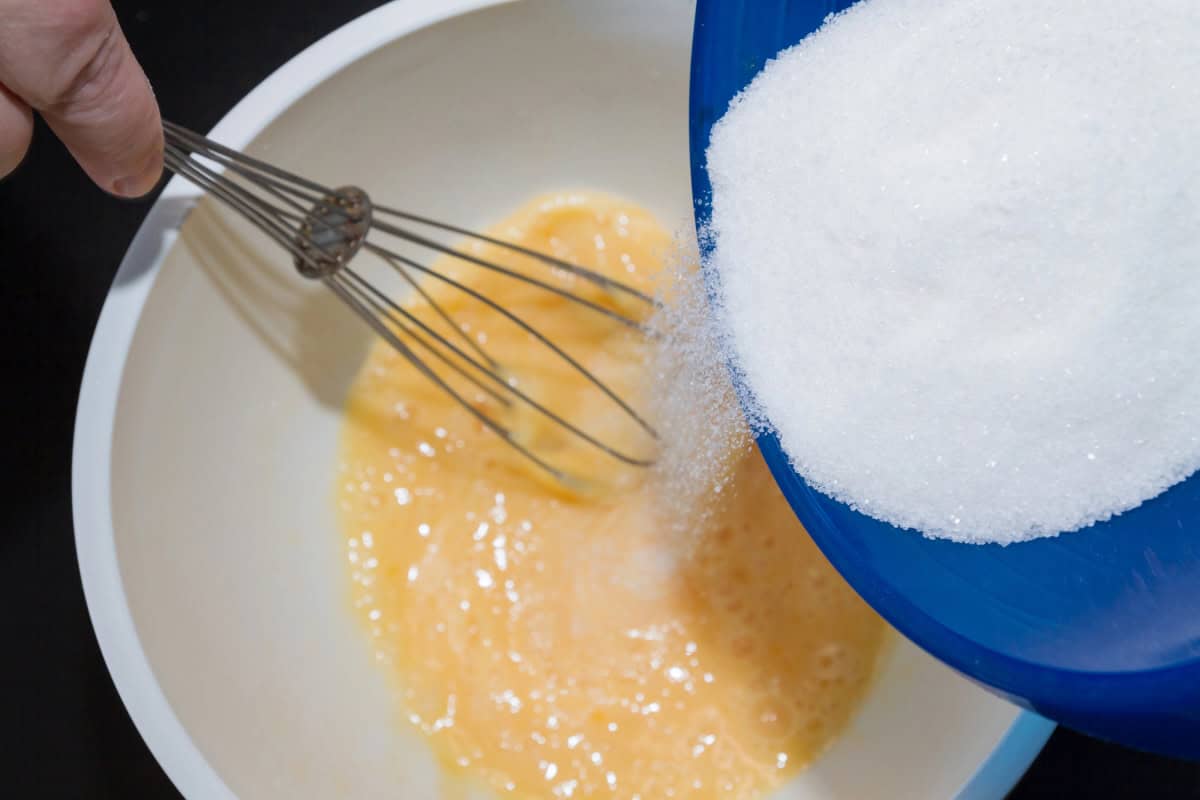
Sugar is hygroscopic. That just means it attracts and holds onto water.
More sugar equals more retained moisture. It also interferes with gluten formation, which keeps the crumb tender. Cut sugar too aggressively, and you’ll feel it in the texture, not just the taste.
3. Liquid Ratio Matters
Milk, buttermilk, coffee, juice, sour cream, yogurt, and even applesauce all add moisture.
But it’s not just about dumping in more liquid. It’s about balance. Too much liquid and the cake sinks. Too little and you get something closer to cornbread than cake.
Good recipes are carefully proportioned. Baking is not the place to eyeball.
4. Proper Mixing
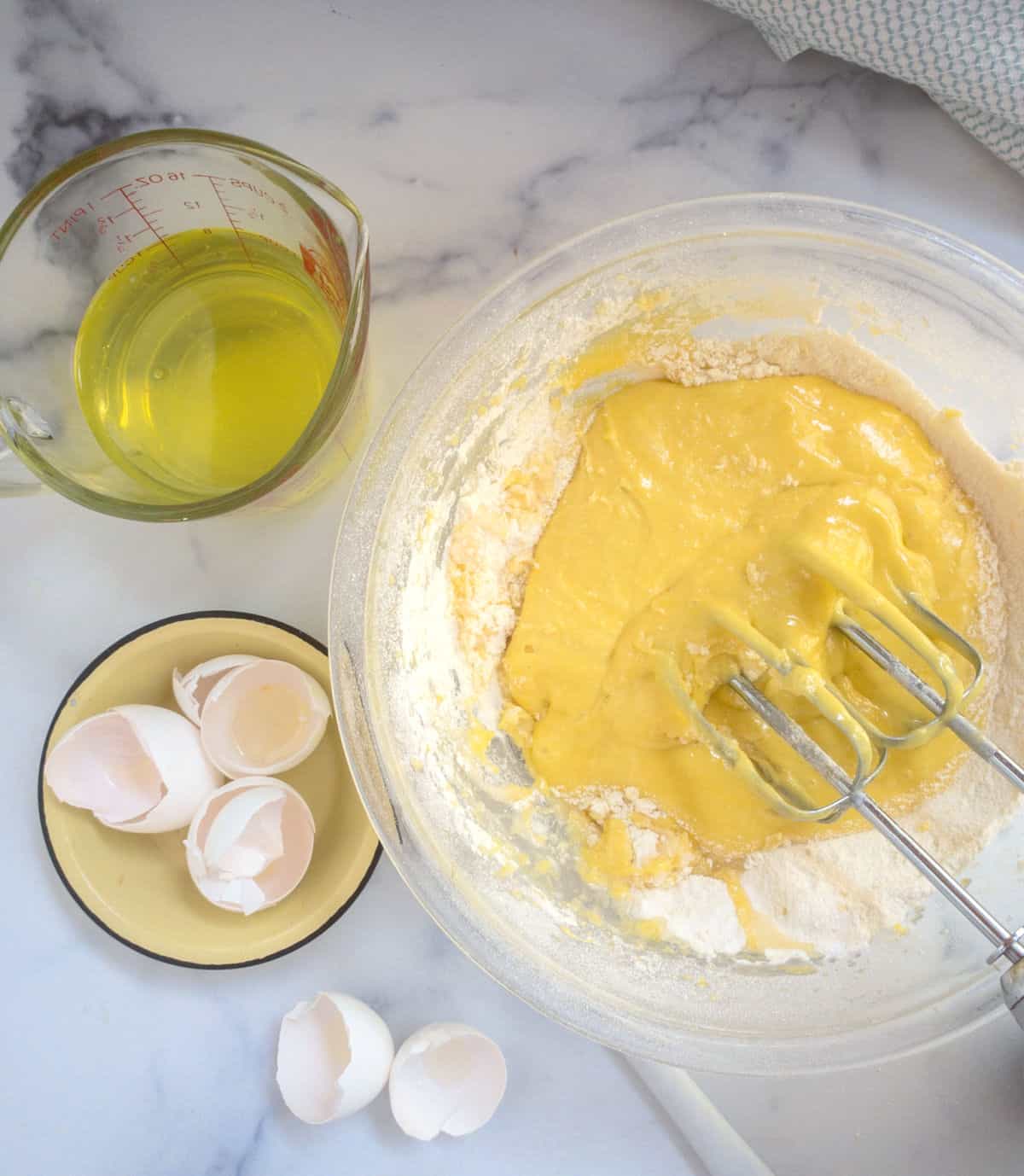
Overmixing develops gluten. More gluten equals tougher cake.
Once flour goes in, mix just until combined. Stop. Walk away. You’re not kneading bread.
5. Don’t Overbake It
This is the big one.
You can have the perfect formula and still dry it out in the oven. A few extra minutes makes a difference. Pull the cake when a toothpick shows a few moist crumbs, not a completely clean stick.
Residual heat will finish the job.
6. Storage Makes or Breaks It
Even a well-baked cake will dry out if left uncovered.
Wrap layers once cooled. Store airtight. If you refrigerate, bring it back to room temperature before serving so the crumb softens again.
So Why Does the Word “Moist” Bother Me?
Because what we’re really after is texture, not dampness.
A great cake is tender. It’s soft. It has a fine, even crumb. It melts slightly when you chew it. It doesn’t stick to the roof of your mouth like drywall dust.
That’s what people mean when they say “moist.”
And whether we like the word or not, that texture comes from good ingredients, proper ratios, and paying attention in the oven.
No shortcuts. No magic tricks. Just solid baking.
Call it moist if you must. I’ll call it a cake done right, and this makes every slice extra tasty.
Make sure to check out delicious cake recipes, including layer cakes, madeleines, sheet cakes, and even skillet cakes.
About One Hot OvenI’m Jere’ Cassidy, the baker behind One Hot Oven, where I share from-scratch baking tips and classic desserts that actually work in a real home kitchen.


