Learning how to freeze peaches is one of the easiest ways to save ripe summer peaches for later. You can freeze them sliced, diced, halved or whole, with the skin on or peeled.

Want to save this recipe?
Enter your email & I’ll send it to your inbox. Plus, get great new recipes from me every week!
For the way I use peaches most often, I prefer freezing them in slices. Once they are frozen on a baking sheet, I can put them into a freezer bag and take out exactly what I need for a cobbler, bars, smoothies or another peach dessert.
And when fresh peaches are sweet and ripe in the middle of summer, I would much rather freeze a few extra than try my luck with those sad off-season peaches later in the year.
Freezing whole, half or sliced peaches is an easy process, and you will find they retain their flavor and color well. Just a few simple steps and a couple of tricks are all you need. And while you are freezing your summer bounty, don’t forget about freezing corn.
How To Freeze Peaches Step By Step
- Wash and dry the peaches.
- Peel them if desired.
- Remove the pits.
- Slice, halve or dice the fruit.
- Treat the peaches for browning if desired.
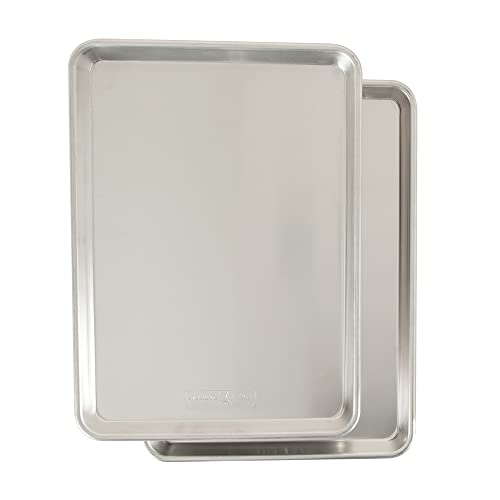
- Arrange them in a single layer on a parchment-lined baking sheet. This tray-freezing method keeps the peach pieces from freezing together in one solid block.
- Freeze until solid.
- Transfer to freezer bags or containers.
- Remove as much air as possible, seal, label and return to the freezer.
- Once frozen this way, you can take out only the amount you need instead of thawing the whole bag.
- That’s really all there is to it.
Once frozen this way, you can take out only the amount you need instead of thawing the whole bag.
That’s really all there is to it.
What Are The Best Peaches for Freezing?
A peach that already tastes good is going to give you much better results than a hard, flavorless one. Freezing preserves the fruit you start with; it doesn’t improve an underripe peach.
I like freestone peaches for freezing because the pit separates easily from the flesh. This makes them especially convenient when I’m processing quite a few peaches at once.
Clingstone peaches can also be frozen, and they are often very sweet. The only downside is that removing the pit takes a little more work.
Avoid peaches that are badly bruised, mushy or starting to spoil.
Do You Have To Peel Peaches Before Freezing?
No.
You can freeze peaches with the skins on, and this is definitely the quickest method.
Whether you peel them really depends on how you plan to use them.
For smoothies, sauces or recipes where the peaches will be blended, leaving the skins on usually isn’t a problem.
For peach cobbler, pies and other desserts where I want soft pieces of fruit without bits of skin, I prefer peeling them first.
How To Freeze Peaches Without Blanching
If you want to leave the skins on, you can freeze fresh peaches without blanching them.
- Wash the whole peaches under cool running water.
- Dry them well.
- Cut each peach in half and remove the pit.
- Cut into slices, wedges or chunks.
- Arrange the peaches in one layer on a parchment-lined baking sheet. Keep the pieces from touching as much as possible.
- Freeze until completely firm.
- Transfer the frozen pieces to a freezer bag or freezer-safe container.
- Press as much air as possible from the bag before sealing.
- Label with the date and return to the freezer.


I find sliced peaches much more useful than one large frozen block because I can grab just the amount I need.
How To Peel Peaches Before Freezing
If you want skinless frozen peaches, blanching makes peeling a whole pile of peaches much easier.
How To Blanch Peaches
- Bring a large pot of water to a boil.
- Fill a large bowl with ice and cold water.
- Carefully lower the peaches into the hot water.
- Leave them in the water for about 30 seconds.
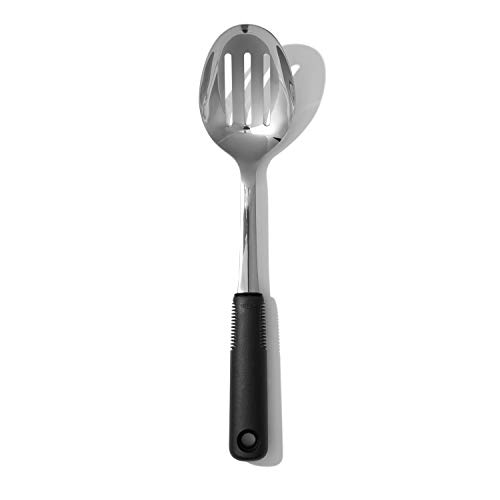
- Remove them with a slotted spoon and immediately transfer them to the ice water.
- Once they are cool enough to handle, gently pull away the skins.
If the peach is ripe, the skin should slip off easily.
After peeling, remove the pits and cut the peaches into halves, slices or chunks.
Arrange the fruit on a parchment-lined baking sheet and freeze until solid. Then transfer the peaches to freezer bags or freezer containers.


“I always have frozen peaches in the freezer. Fresh peaches out of season generally have no flavor to them, and I love to bake with peaches to make everything from a traditional peach kuchen to peach scones and so much more. I blanch and peel them, then slice them before I freeze them so they’re ready for me to use no matter what I choose to make.”
Michelle Price, Honest and Truly
How To Remove The Pits From Peaches
There are two types of peaches, and each has several varieties. Freestone and Clingstone peaches behave a little differently.
Freestone peaches
- Cut around the peach following its natural crease, starting at the stem and continuing all the way around.
- Hold one half in each hand and gently twist.
- With a ripe freestone peach, the two halves should separate easily, and the pit can be lifted out.
Clingstone peaches
- With clingstone peaches, the flesh holds tightly to the pit.
- Instead of cutting directly along the natural crease, cut slightly to one side of it and continue around the peach.
- Twist the sections apart. If the pit is still attached, make another cut around the remaining section and gently pull the flesh away from the pit.
It takes a few more cuts, but you won’t lose nearly as much fruit trying to pry out the pit.


How To Keep The Peaches From Turning Brown
- Cut peaches can begin to brown when exposed to air.
- For a simple option, toss the peach slices with a little lemon juice before freezing.
- If your peaches don’t normally discolor much, you can also freeze them without treating them. Some peach varieties brown faster than others.
- An ascorbic acid fruit treatment, such as a commercial fruit-preserving powder, is another option if maintaining the peach color is especially important to you.

Can You Freeze Whole Peaches?
Yes, whole peaches can be frozen, with or without the skin.
- Wash and thoroughly dry the fruit first, then place the peaches on a baking sheet and freeze until solid before transferring them to freezer bags.
- That said, I think sliced peaches are much more practical for most kitchens.
- A whole peach takes longer to freeze and thaw, uses more freezer space and still has to be pitted and possibly peeled later.
Doing that work during peach season means the fruit is ready when you want to bake with it.
How Long Do Frozen Peaches Last?
For best quality, plan to use your frozen peaches within about 6 to 12 months.
Keep them tightly sealed in an airtight container or freezer bag and store them at 0°F or below.
Air is one of the biggest enemies of frozen fruit. Press excess air from freezer bags before sealing them, and don’t leave freshly frozen peaches sitting uncovered on the baking sheet any longer than necessary.
Always label your bags with the date. I know I won’t remember what’s been hiding in the back of my freezer six months from now, and I’m guessing I’m not alone.

“Since I usually make downscaled recipes for just one or two people, freezing fruit allows me to keep it on hand without spoiling. It’s also much easier to grab only the amount needed from the freezer.”
— Lisa MarcAurele, Little Bit Recipes
Does Freezing Change The Texture Of Peaches?
Yes.
Freezing damages some of the fruit’s cell structure, so thawed peaches will be softer than fresh peaches.
That’s normal.
Frozen peaches are great for recipes where that softer texture doesn’t matter, including cobblers, pies, crisps, sauces, smoothies and baked desserts.
If you want peaches for eating out of hand, fresh peaches will have the better texture.
Should Peaches Be Thawed Before Baking?
It depends on the recipe.
Many cobblers, bars and other baked desserts can be made directly with frozen peaches, while some recipes work better if the peaches are partially or completely thawed.
I don’t recommend automatically adding extra flour or another thickener just because you’re using frozen fruit. Follow the directions for the specific recipe you are making.
For example, my Peach Cobbler With Frozen Peaches is written specifically for frozen fruit, so there is no guessing about how much liquid or thickener to use.
What Is The Best Way To Thaw Peaches?
For most uses, put the amount of peaches you need in a covered container and let them thaw in the refrigerator.
If you need them sooner, place the sealed freezer bag in a bowl of cold water.
Remember that thawed peaches will release juice. Depending on the recipe, you may want to keep that juice or drain some of it.
For smoothies, there is no reason to thaw the peaches at all. Add them straight from the freezer.
Ways To Use Frozen Peaches
Frozen peaches are especially handy for baking because they are already washed, pitted and sliced.
Try them in my Peach Raspberry Crumb Bars or Peach Pandowdy. You can also use frozen peaches in drinks, where they add peach flavor while helping keep the drink cold.
You can also use frozen peaches for:
- Smoothies
- Peach sauce
- Crisps and crumbles
- Pies
- Cobblers
- Muffins and quick breads
- Ice cream
- Yogurt and oatmeal toppings
And if you have more peaches than freezer space, my Peach Refrigerator Jam is another good small-batch way to use ripe peaches while they’re in season.
Peach Questions
Can you freeze peaches with the skin on?
Yes. Wash and dry the peaches, remove the pits, cut the fruit as desired and freeze the pieces in a single layer before transferring them to freezer bags. There is no need to blanch peaches if you’re leaving the skins on.
Can you freeze peach slices?
Yes, and sliced peaches are my preferred method because they freeze quickly and are easy to measure directly from the bag.
Do you need lemon juice to freeze peaches?
No. Lemon juice isn’t required for freezing peaches, but tossing sliced peaches with a little lemon juice can help reduce browning.
Can you freeze peaches without sugar?
Yes. Peaches do not need added sugar to be safely frozen. This tray-freezing method uses no sugar or syrup.
Can nectarines, plums and apricots be frozen the same way?
Yes. Other stone fruits can also be cut, pitted and tray frozen. Peeling is optional depending on the fruit and how you plan to use it.
More ways to save seasonal fruit
When fruit is at its best, I would much rather put some away than buy flavorless fruit out of season.
My 25+ Foods That Freeze Well guide has more ideas for stocking the freezer, along with tips for freezing ingredients so they’re actually useful when you pull them back out.

Subscribe here for more great recipes, and follow One Hot Oven for more tasty sweet and savory recipes! Pinterest | Instagram | Facebook
Get The How To Instructions

How To Freeze Peaches
Equipment


Ingredients
- fresh peaches any amount
- lemon juice optional
Instructions
Freezing Peaches With The Skin On
- Cut the peaches in half then cut into wedges, slice or dice and lay them out in a single layer on a tray or baking sheet lined with parchment paper.
- If desired, toss the cut peaches with a little lemon juice or an ascorbic acid fruit treatment to help prevent browning.
- Arrange the peaches in a single layer on a parchment-lined baking sheet. Keep the pieces from touching as much as possible.
- Freeze until completely firm, about 4 hours. Whole or larger pieces may take longer.
- Transfer the frozen peaches to freezer bags or freezer-safe containers. Remove as much air as possible before sealing.
- Label with the date and return to the freezer.
Freezing Peaches With The Skin Removed
- Bring a pot of water to a boil and prepare a bowl of ice water.
- Place the peaches in the boiling water for about 30 seconds.
- Remove them with a slotted spoon and immediately place them in the ice water.
- Once cool enough to handle, peel away the skins.
- Remove the pits, cut as desired, and freeze following the steps above for freezing.
Notes
- Make room in your freezer to accommodate a baking sheet or tray to hold the peaches for pre-freezing.
- For the easiest measuring later, freeze peach slices or chunks rather than whole peaches. Once frozen individually on the tray, you can take out only the amount you need.
As an Amazon Associate I earn from qualifying purchases.
First published July 11, 2023. Updated August 11, 2026, for improved readability and clearer instructions.
Jere Cassidy is the writer and recipe developer behind the blog One Hot Oven. A passion for all things food-related led her to culinary school to expand on her baking skills and now to share easy recipes for all home cooks and bakers of all skill levels. When not in the kitchen, Jere’ likes to travel far and wide to find delicious food.
This article originally appeared on Food Drink Life