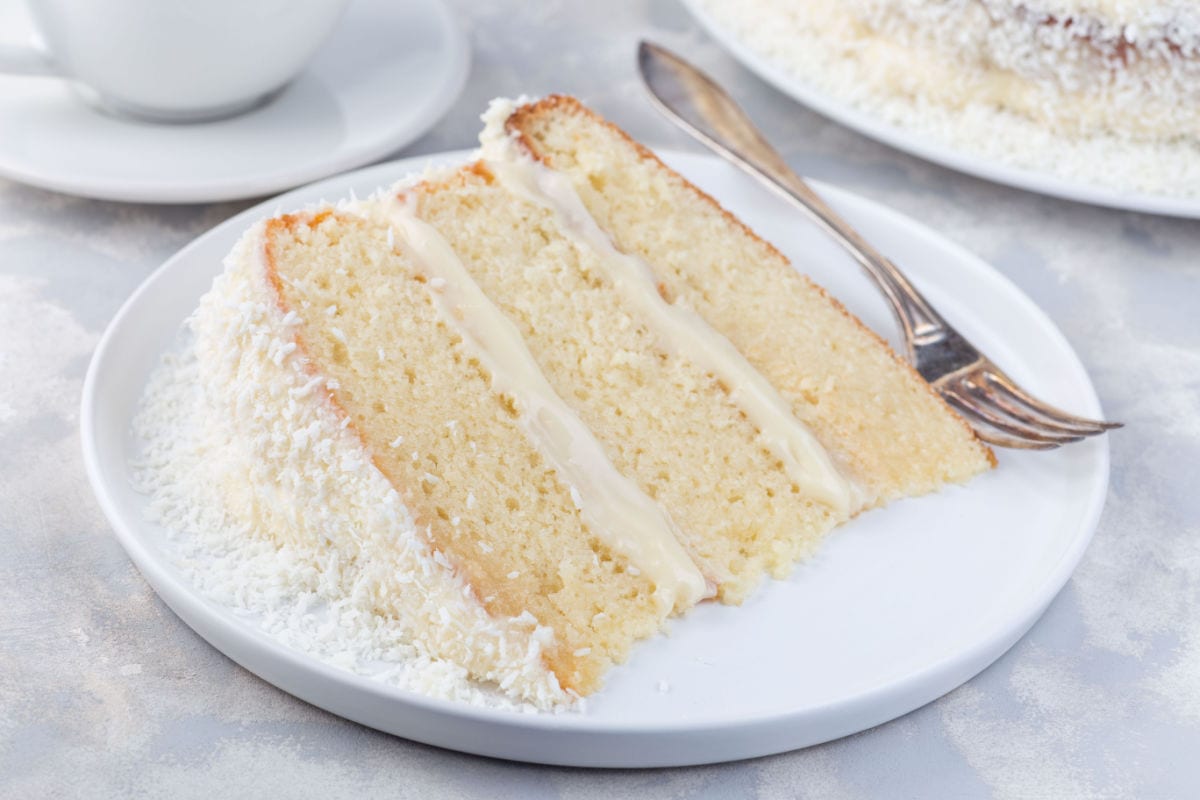
Ever wonder why bakery cakes stay soft and tender for days, while homemade cakes can dry out fast? You’re in the right place. The answer usually comes down to a few smart methods and a couple of ingredients that do a lot of heavy lifting.
Want to save this recipe?
Enter your email & I’ll send it to your inbox. Plus, get great new recipes from me every week!
This page may contain affiliate links; please see my disclosure for policy details.
I’ve been baking cakes since my 4-H days, when I learned quickly that one dry slice could cost you a ribbon. Later in baking school, I understood why some cakes stay tender and others dry out. It isn’t luck. It’s structure, balance, and technique.
After years of baking, testing, and teaching, I can tell you there’s no mystery ingredient. It’s understanding how the ingredients work together.
Let’s break down what really makes the difference.
It Starts With Fat
Fat plays a major role in cake texture.
Butter adds flavor and structure. Oil brings softness that lasts longer. Sour cream and yogurt add both richness and acidity, which helps tenderize the crumb. Egg yolks add fat and emulsifiers that improve texture.
Fat works by coating flour proteins, which limits gluten development. Less gluten means a softer, more tender cake. That is why cake feels so different from bread.
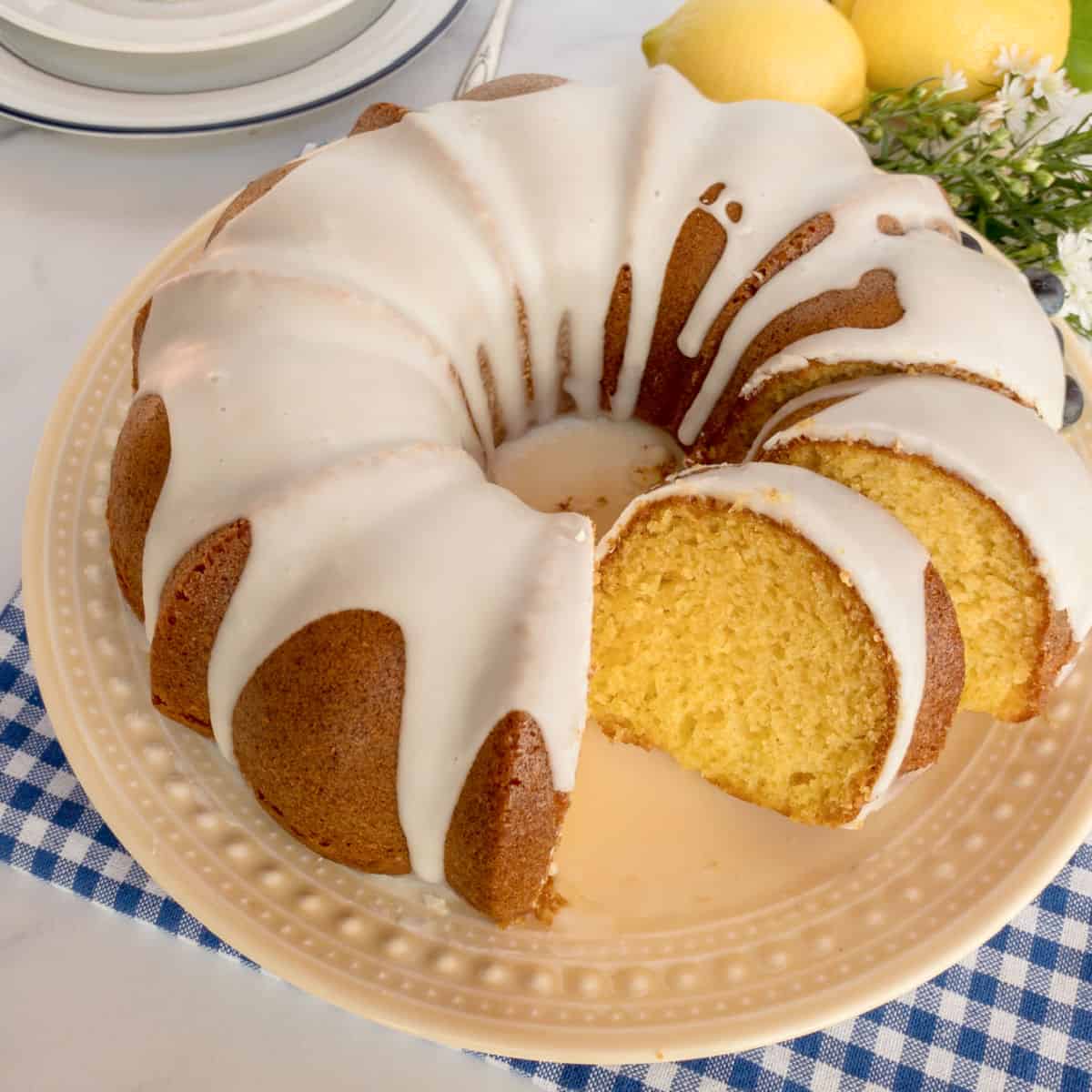
Oil-based cakes often stay softer longer, which is why many of my Bundt cakes hold their texture beautifully, like this Mountain Dew Bundt Cake. Oil stays liquid at room temperature, while butter firms up, and that alone changes how the crumb feels the next day.
Sugar Holds Onto Moisture
Sugar does much more than sweeten a cake.
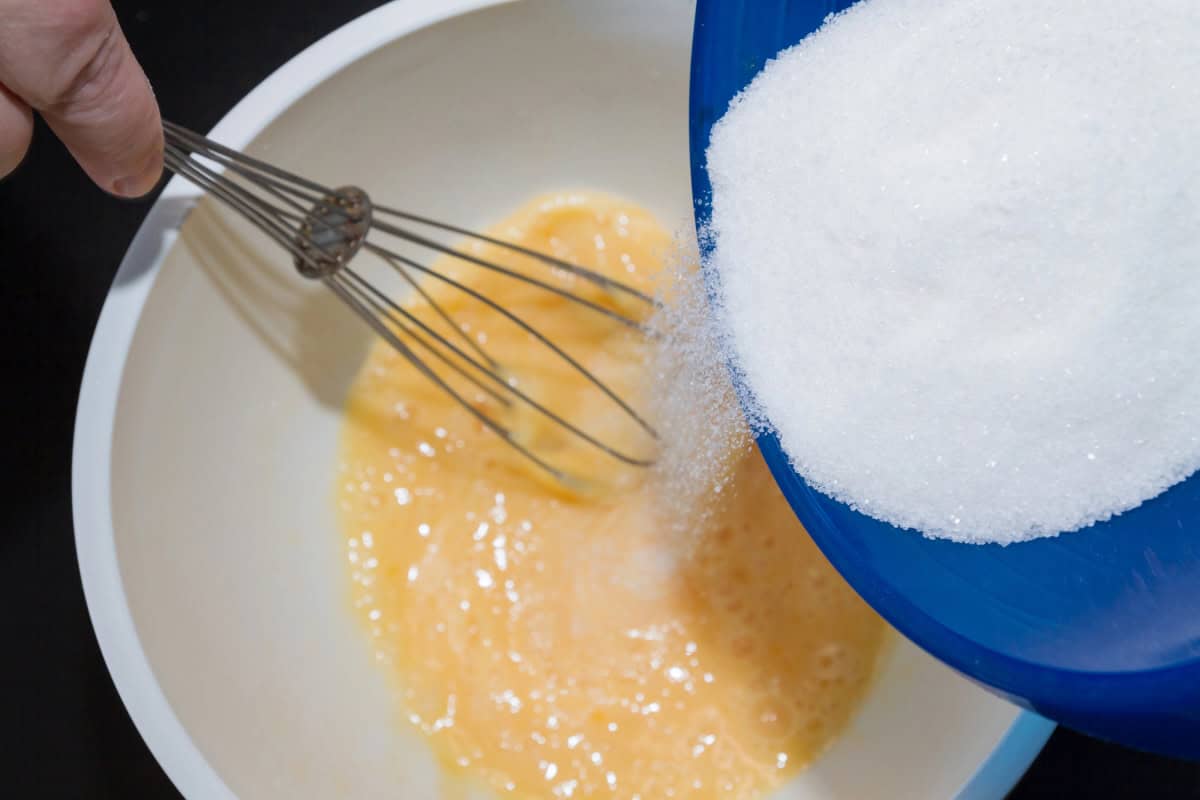
It attracts and retains water, helping the cake stay soft rather than drying out quickly. It also interferes with gluten formation, keeping the crumb tender.
When people reduce sugar too aggressively, they usually notice the texture suffers first. A cake can taste less sweet, but it can also become firmer and drier because sugar plays a structural role.
The Right Amount of Liquid
Milk, buttermilk, coffee, juice, sour cream, and even applesauce add moisture to a cake batter. But balance is everything.
Too little liquid creates a tight crumb. Too much can cause sinking or a heavy texture. A well-tested recipe has the correct ratios of liquid, flour, and fat. Baking rewards accuracy.
In chocolate cakes, especially, the type of cocoa powder you use also affects texture and moisture retention. I go deeper into this in my Cocoa Powder 101 guide, because natural and Dutch-process cocoa behave differently in a batter.
Mixing Matters More Than You Think
Overmixing is one of the fastest ways to create a tough cake.
Once flour is added, mix just until combined. Too much mixing develops gluten, and gluten gives you chew, not tenderness.
The creaming stage is equally important. Proper creaming is what gives classic butter cakes their light crumb. If you rush that step, you lose the air that helps create softness. If you need a refresher, here’s exactly how to cream butter the right way.
Don’t Overbake
Even the best-balanced cake can dry out in the oven.
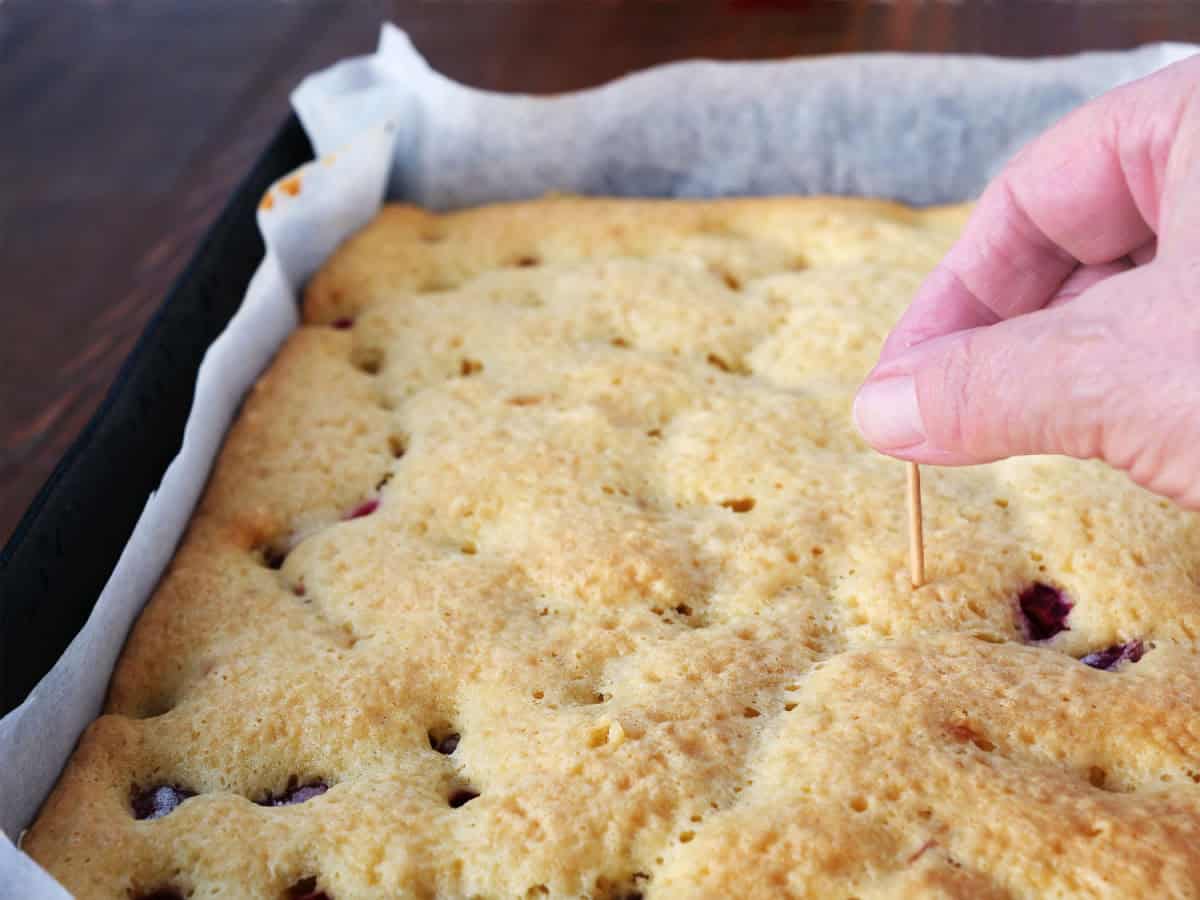
Bake times are guidelines, not guarantees. Start checking early. A toothpick should come out with a few moist crumbs attached, not completely clean and dry.
If you wait until the cake looks dry, it already is.
Storage Counts
A properly baked cake can still dry out if it sits uncovered.
Once cooled, wrap layers well or store them airtight. If you refrigerate a cake, bring it back to room temperature before serving. Cold cake always feels firmer because the fats have solidified.
What We Really Mean When We Say “Moist”
What most of us are chasing is not dampness. It is tenderness. It is a fine crumb that feels soft but not heavy. It is a cake that tastes just as good on day two as it did when it first came out of the oven.
There is no secret trick.
It is balanced fat, enough sugar, proper mixing, careful baking, and good storage. These are the same fundamentals that have worked in home kitchens for generations.
Get those right, and you won’t have to explain your cake to anyone. They’ll just ask for another slice.
Subscribe here for more great recipes, and follow One Hot Oven for more tasty sweet and savory recipes! Pinterest | Instagram | Facebook
Thank you for stopping by the One Hot Oven blog. Please leave a comment to say hello or tell me what you are baking; I always love hearing from fellow bakers. Do you have any questions or want to chat about the recipe? Please visit my About page for information, and I’ll be happy to help!
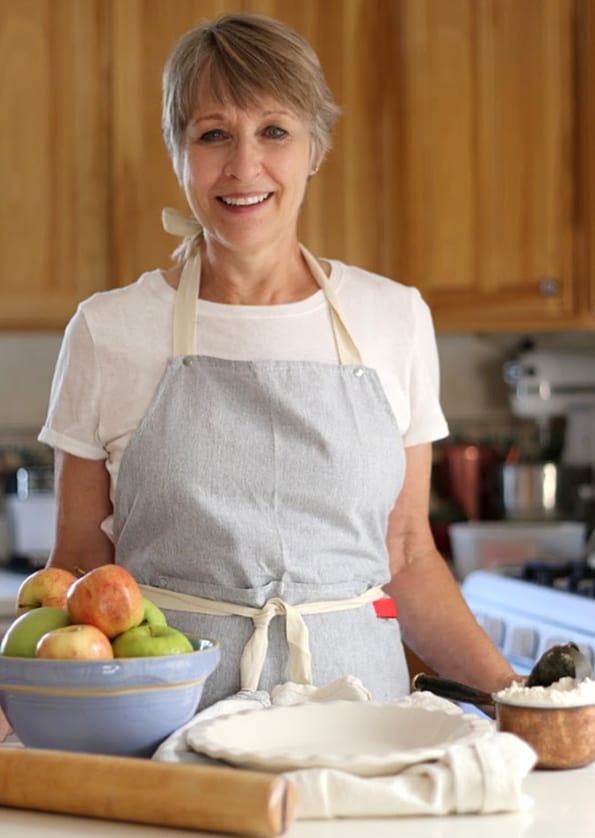
Hello there, I’m Jere’
From learning to cook on a farm in Indiana to culinary school in California, my passion for food is never-ending. Turning on my oven to bake something for friends and family is my happy place, and I am glad to be here at One Hot Oven® sharing sweet and savory family-friendly recipes for your cooking and baking inspiration.