

Creaming butter and sugar means beating softened butter with sugar until the mixture becomes lighter in color and fluffy. This simple baking technique adds tiny pockets of air that help cakes, cookies, and other baked goods develop the right texture.

Want to save this recipe?
Enter your email & I’ll send it to your inbox. Plus, get great new recipes from me every week!
This page may contain affiliate links; please see my full disclosure for policy details. I earn commissions if you shop through the links on this page.
If you have ever read “cream the butter and sugar until light and fluffy” in a recipe and wondered exactly what that should look like, you are not alone. It is one of those baking instructions that often assumes you already know what to do.
I learned in culinary school that the appearance and texture matter more than following an exact mixing time. Properly creamed butter and sugar will look pale, fluffy, and noticeably fuller than when you started. It should not look wet, greasy, or melted.
What Does It Mean To Cream Butter and Sugar?
As the sugar crystals move through the softened butter, they create tiny air pockets. These pockets help give cookies and cakes a lighter texture and more even crumb.
Most recipes use granulated sugar or brown sugar for creaming. Powdered sugar behaves differently because its fine texture does not create as much aeration.
Sometimes a recipe will tell you to beat the butter by itself before adding the sugar. I like to do this first because it smooths out the butter and makes it easier to combine evenly with the sugar.
What Temperature Should Butter Be for Creaming?
The butter should be softened but still slightly cool. About 65°F is a good target, but you don’t need a thermometer.
Gently press the butter with your finger or the back of a spoon. It should leave a small indentation without sinking deeply into the stick. The butter should still hold its shape.
If the butter is hard and the spoon barely leaves a mark, it is too cold. If it looks shiny, greasy, or begins to collapse, it is too warm.
This butter is still too cold


Butter that is ready to cream


How Can You Soften Butter Quickly?
Butter generally takes 30 to 60 minutes to soften on the counter, depending on your kitchen temperature. If you need it sooner, try one of these methods:
- Cut the butter into tablespoon-size pieces and leave them on a plate for about 15 minutes.
- Fill a tall glass or bowl with hot water and let it stand for one minute. Empty and dry it, then invert it over the butter for several minutes.
- Microwave the butter at 5-second intervals, turning it after each interval. Stop as soon as it gives slightly when pressed.
Microwaving works, but watch it closely. Partially melted butter will not hold air properly during creaming.
For additional methods, see my complete guide on how to soften butter.
What Do You Need to Cream Butter and Sugar?
Ingredients
- The amount of butter called for in your recipe, properly softened
- The type and amount of sugar called for in your recipe
Tools
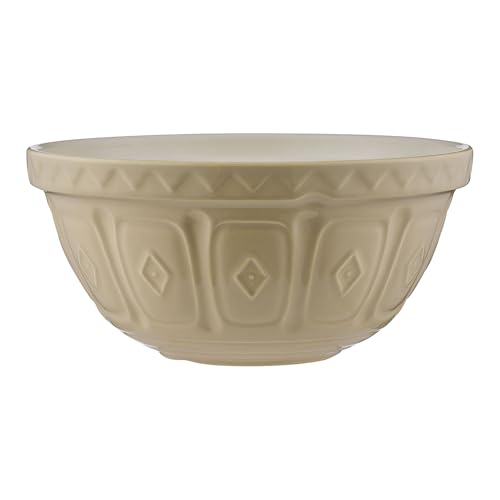
- Large mixing bowl
- Hand mixer or stand mixer with paddle attachment
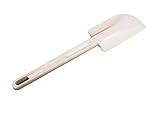
- Rubber spatula

How Long Does It Take to Cream Butter and Sugar?
Mixing times vary by mixer, butter temperature, and the amount being creamed. Use these times as a general guide, but stop when the mixture looks pale, fluffy, and increased in volume.
| Method | Approximate time |
| Hand mixer | About 4 to 5 minutes |
| Stand mixer with paddle attachment | About 2 to 4 minutes |
| By hand | About 5 to 10 minutes |
Not sure which butter to buy for your next baking project? My guide to the different types of butter explains how salted, unsalted, European-style, and other varieties differ.
How to Cream Butter and Sugar Step by Step
Step 1. Beat the softened butter
Cut the softened butter into pieces and place it in a large mixing bowl.
Start the mixer on medium-low speed so the butter does not fly out of the bowl. Increase to medium and beat for about one minute, or until the butter is smooth and creamy.


Step 2. Add the sugar
Add the sugar and mix on low speed just until it is incorporated. At this point, the butter and sugar will look heavy, chunky, and grainy.


Step 3. Increase the mixer speed
Scrape the bottom and sides of the bowl. Beat on medium to medium-high speed for another 2 to 3 minutes.
Stop and scrape the bowl again so no dense butter remains around the bottom or sides.
Step 4. Continue until light and fluffy
Continue beating until the mixture is pale, fluffy, and noticeably increased in volume. With my hand mixer, the entire process takes about 5 minutes after adding the sugar.
The exact time depends on your mixer, the amount of butter, and its starting temperature, so use the mixture’s appearance as your final guide.


What Does Properly Creamed Butter and Sugar Look Like?
Properly creamed butter and sugar should:
- Look lighter and paler than when you started
- Have a fluffy texture rather than a heavy paste
- Increase slightly in volume
- Hold soft ridges left by the mixer
- Feel aerated but still slightly gritty when made with granulated sugar
- Remain cool enough that it does not look shiny or greasy
The sugar does not need to disappear completely. A slight graininess is normal.
Can You Cream Butter and Sugar by Hand?
Yes, although it takes more effort.
Place properly softened butter in a bowl and mash it with a sturdy wooden spoon until smooth. Add the sugar gradually, then beat the mixture firmly against the side of the bowl. Continue stirring and beating until it becomes lighter and fluffier.
This usually takes at least 5 minutes and may take closer to 10, depending on the amount and how soft the butter is.
A fork can help mash the butter at the beginning, but a wooden spoon is easier to use once you add the sugar.
Can You Cream Brown Sugar With Butter?
Yes. Use the same method for brown sugar, but expect the finished mixture to remain light brown rather than pale yellow.
Brown sugar contains molasses and more moisture than granulated sugar, so the mixture may look slightly heavier and softer. It should still become fluffy and increase in volume.
What Can Go Wrong When Creaming Butter and Sugar?
Why is my butter and sugar mixture chunky?
The butter was probably too cold. Let the mixture sit for a few minutes, then continue beating once the butter softens slightly.
Why does the mixture look greasy or wet?
The butter became too warm and can no longer hold the air the mixer introduced. This can happen in a warm kitchen or after mixing for too long.
Refrigerate the bowl for 5 to 10 minutes, then mix briefly again. Do not let the butter become hard.
Should creamed butter and sugar feel grainy?
A little graininess is normal when using granulated or brown sugar. The sugar crystals do not need to dissolve completely. Judge the mixture by its lighter color, fluffy texture, and increased volume.
Can I use melted butter?
No, not when a recipe specifically calls for creaming. Melted butter cannot trap air in the same way and will change the texture of the finished bake. Cookies may spread more and become denser or chewier, while cakes may not rise as expected.
Can I use a food processor?
A food processor can combine butter and sugar, but it is not the best tool for creaming because the blade doesn’t incorporate air the same way as mixer beaters or a paddle attachment. Use a hand or stand mixer when possible.
Recipes That Use the Creaming Method
- This Mandarin Orange Bundt Cake has a tender crumb with mandarin pieces throughout.
- These Iced Lemon Cookies use creamed butter and sugar for their soft, chewy texture.
- These Peanut Butter Cupcakes are topped with caramel buttercream frosting and pieces of Cracker Jack.
- This Strawberry Cake with Strawberry Buttercream uses this creaming method in both the cake batter and the frosting.
- Rose Petal Shortbreads rely on properly creamed butter and sugar for their delicate texture.
Subscribe here for more great recipes, and follow One Hot Oven for more tasty sweet and savory recipes! Pinterest | Instagram | Facebook
Creaming Butter and Sugar Properly

Creaming Butter and Sugar Properly
Equipment

Ingredients
- butter Softened to about 65°F; use the amount called for in your recipe
- granulated sugar Use the type and amount called for in your recipe
Instructions
- Cut the softened butter into pieces and place it in a large mixing bowl.
- Begin mixing on medium-low speed to smooth the butter. Increase the speed to medium and beat for about 1 minute, or until the butter is creamy.
- Add the sugar and mix on low speed until combined. The mixture will look heavy, chunky, and grainy at this stage.
- Scrape the bottom and sides of the bowl. Increase the mixer speed to medium or medium-high and beat for 2 to 3 minutes.
- Stop and scrape the bowl again. Continue beating until the mixture is pale, fluffy, and noticeably increased in volume. With a hand mixer, the whole process takes about 5 minutes after adding the sugar.
- From here, follow your recipe to add other ingredients. Continue with the remaining instructions in your recipe.
Notes
- The butter should be softened but still slightly cool. It should hold its shape and show a small indentation when gently pressed.
- Properly creamed butter and sugar may still feel slightly gritty. Look for a pale color, fluffy texture, and increased volume.
- If the mixture looks wet, shiny, or greasy, the butter has become too warm. Refrigerate the bowl for 5 to 10 minutes, then mix briefly again.
- You can cream brown sugar with butter the same way, but the finished mixture will be light brown rather than pale yellow.
- Do not use melted butter when a recipe calls for the creaming method.
As an Amazon Associate I earn from qualifying purchases.
First published February 14, 2023. Updated September 19, 2026, with clearer instructions and additional baking tips.
Thank you for stopping by the One Hot Oven blog!
Please leave a comment to say hello or tell me what you are baking; I always love hearing from fellow bakers. Do you have any questions or want to chat about the recipe? Please visit my About page for information, and I’ll be happy to help!
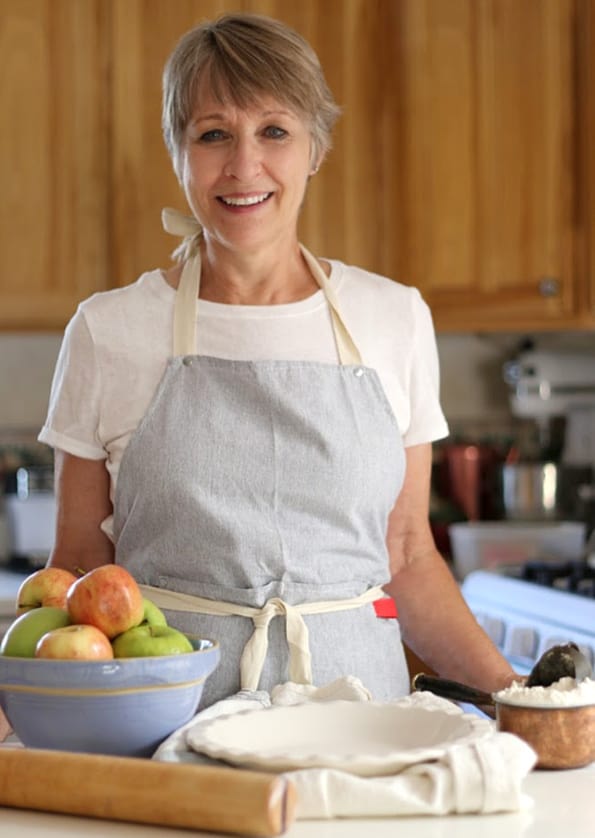
Hello there, I’m Jere’
From learning to cook on a farm in Indiana to culinary school in California, my passion for food is never-ending. Turning on my oven to bake something for friends and family is my happy place, and I am glad to be here at One Hot Oven, sharing sweet and savory, family-friendly recipes for your cooking and baking inspiration.




For some reason I expected this to be hard but it really wasn’t! Thanks for the clear instructions!
Thank you for the tips! What seems so simple has always tripped me up but you’ve turned me into a chef!
This method is so easy to understand and great for all of my baking needs! Thank you for explaining it so well.
Thanks for a clear and easy tutorial. I am not an advanced baker so this came helpful.