Fresh Hatch chiles start showing up in grocery stores and farmers’ markets in late summer, with August and September usually being the best months to find them. Their season does not last long, so this is the time to buy a bag, roast the peppers and freeze some for later.

Want to save this recipe?
Enter your email & I’ll send it to your inbox. Plus, get great new recipes from me every week!
This page may contain affiliate links; please see my disclosure for policy details.
I’ve been a Hatch chile fan since I first saw them tumbling inside a big metal roasting drum at a farmers’ market in Colorado. You smell those peppers before you ever see them. The skins blister over the flames, and the whole area fills with the smell of roasted green chile.
Once I returned to California, I started noticing bags of fresh Hatch chiles in the produce section every August. Now I watch for them and roast a batch as soon as they arrive. I use the chopped chiles in eggs, cornbread, beans, soups and burgers, and freeze whatever I cannot use right away.

Hatch Chiles Quick Facts
- Flavor: Earthy and slightly sweet, with a smoky flavor after roasting.
- Heat: Hatch chiles are sold in mild, medium, hot and extra-hot varieties.
- Season: Usually late July through early fall, with August and September the main buying months.
- Where they are grown: Authentic Hatch chiles are grown in the Hatch Valley area of New Mexico.
- Prep tip: Roast the whole peppers until the skins blister, then peel, seed and chop them.
When Is Hatch Chile Season?
Fresh Hatch chile season generally begins in late July or August and continues into early fall. The exact timing depends on the harvest, the grower and where you live.
Here in California, I usually begin seeing bags of fresh Hatch chiles in early August. Some grocery stores carry them for only a few weeks, while others hold weekend chile-roasting events throughout August and September.
When you see fresh Hatch chiles, do not wait too long to buy them. That display can disappear about the time you finally decide what you want to make.
Canned Hatch chiles are available year-round, but fresh peppers have a short window. Roasting and freezing them is an easy way to keep that late-summer flavor around for fall soups, chili and casseroles.
What Are Hatch Chiles?
Hatch chile is not the name of one particular pepper variety. The name generally refers to New Mexican-type chile peppers grown in and around Hatch, New Mexico.
Several chile varieties are grown in the Hatch Valley, which is why one bag may be mild while another can make your eyes water. Look at the package or produce sign for the heat level before buying.
The Hatch Valley’s hot days, cooler nights and growing conditions are often credited with giving the peppers their recognizable flavor. However, the variety and growing conditions also affect the flavor, size and heat of each crop.
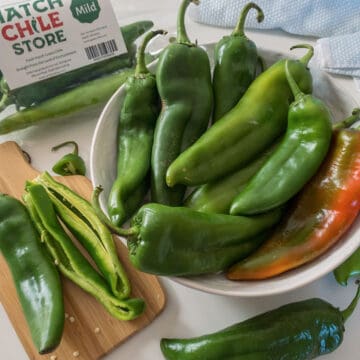
New Mexican-type chile peppers are long and narrow, with broad shoulders near the stem and a tapered end. They are harvested while green or allowed to ripen until red.
And yes, in New Mexico it is spelled chile, not chili. Chili usually refers to the meat-and-bean dish, while chile refers to the pepper.
Where To Buy Hatch Chiles
Besides farmers’ markets, many grocery stores sell New Mexico green chiles in August and September. Roadside stands in New Mexico, Colorado, and nearby states are also popular for roasted chiles. Canned and frozen Hatch chiles are available throughout the year.
How To Choose Fresh Hatch Chiles
Look for chiles that are:
- Firm rather than soft or limp
- Smooth and glossy
- Heavy for their size
- Free from mold and large soft spots
- Bright green or beginning to develop red patches
A few wrinkles are not the end of the world, especially if you plan to roast the peppers immediately. Avoid badly shriveled peppers or those with wet, sunken areas.
Check the bag or produce sign for the heat level. If your family does not usually eat hot peppers, begin with mild or medium.
Also look at the place of origin. Packages may identify the grower or indicate whether the peppers came from Hatch, another part of New Mexico or somewhere else.
“Hatch chile season is short, so when I find them at the store or farmer’s market in September, I always grab a couple of bags to roast and freeze. I love using them in salsa, chili and pinto beans for their smoky flavor. But be careful — they range from mild to hot.”
— Heidi Bruaw, Real Life of Lulu
A Little Hatch Chile History
Chile peppers had been grown in what is now New Mexico for centuries before modern varieties were developed.
In the late 1800s, horticulturist Dr. Fabián García began breeding New Mexican chile peppers for more consistent size, flavor and growing characteristics. In 1913, he released New Mexico No. 9, an influential cultivar that became the genetic foundation for many New Mexican-type chiles grown today.
Chile remains an important part of New Mexico’s food and culture. The state recognizes chile and pinto beans as its official state vegetables. “Red or Green?” is the official state question, referring to which chile sauce you want with your meal.
Order your dish “Christmas” in New Mexico, and you will get both red and green chile.
The smell of roasting green chile was also named New Mexico’s official state aroma. I cannot argue with that choice. One whiff of a chile-roasting drum and you know exactly what is cooking.
Are Hatch Chiles Hot?
Hatch chiles can be mild, medium, hot or extra hot. The Hatch name tells you where the pepper was grown, not how spicy it will be.
Heat can vary according to the chile variety, weather and growing conditions. Two bags labeled medium may not taste exactly the same.
A mild Hatch chile may be comparable to an Anaheim or mild poblano pepper. Hot and extra-hot Hatch chiles can be considerably stronger.
Check the label before buying and taste a small piece after roasting. It is easier to add more chile to a recipe than to rescue a pot of beans that suddenly requires a fire extinguisher.
Removing the seeds and pale inner membranes may reduce some of the heat, although much of the heat is already present in the pepper’s inner tissue.
Wear food-safe gloves when handling hot chiles, and avoid touching your eyes or face.
What Do Hatch Chiles Taste Like?
Fresh green Hatch chiles have an earthy, slightly grassy flavor with a touch of sweetness. Roasting changes them by adding a deeper, smokier flavor and softening the flesh.
The flavor is more noticeable than the heat in mild varieties. Hotter varieties still have that earthy chile flavor, but they bring considerably more fire to the party.
They pair especially well with eggs, beef, pork, beans, corn, potatoes, tomatoes and mild cheeses.
Hatch Chiles vs. Anaheim Peppers
Hatch and Anaheim peppers are related New Mexican-type chiles, but Hatch refers to peppers grown in the Hatch Valley area. Anaheim peppers became widely grown in California and are generally mild.
Anaheim peppers are a reasonable substitute when Hatch chiles are unavailable, although the flavor will not be exactly the same.
Do You Have to Roast Hatch Chiles?
You can eat Hatch chiles raw, but roasting is the most common way to prepare them.
Raw Hatch chiles are crisp and have a fresh, grassy pepper flavor. They can be diced into salsa or added to salads, although the skin may be a little tough.
Roasting softens the pepper, deepens the flavor and blisters the thin outer skin so it can be peeled away. That papery skin is edible, but it can be unpleasant in sauces, soups and casseroles.

Ways To Use Hatch Chiles
Once you have a container of roasted chiles in the refrigerator, you will find plenty of ways to use them.
- Add roasted Hatch chilels to my salsa recipe, for a deeper, smokier flavor.
- For a simple green chile cheeseburger, grill or pan-fry your burger as usual, top it with chopped roasted Hatch chile and add a slice of cheese. Monterey Jack, cheddar and pepper jack all work well.
- You can also replace the peppers in my cheddar skillet cornbread with chopped roasted Hatch chiles. Start with a smaller amount if your chiles are hot.
- Stir roasted Hatch chiles into my Mexican Corn and Bean Soup, where their smoky flavor goes well with the corn, tomatoes and beans.
- Roasted Hatch chiles are also a good addition to breakfast recipes. Stir them into my scrambled eggs for a little smoky heat, or add chopped chiles to my egg and sausage breakfast casserole before baking.
How To Roast Hatch Chiles
Most New Mexicans roast their Hatch chiles before cooking. Many markets, roadside stands and grocery stores offer roasting services, using a large metal drum turned over open flames. But you can roast them at home, too:

How To Roast Hatch Chiles On The Grill
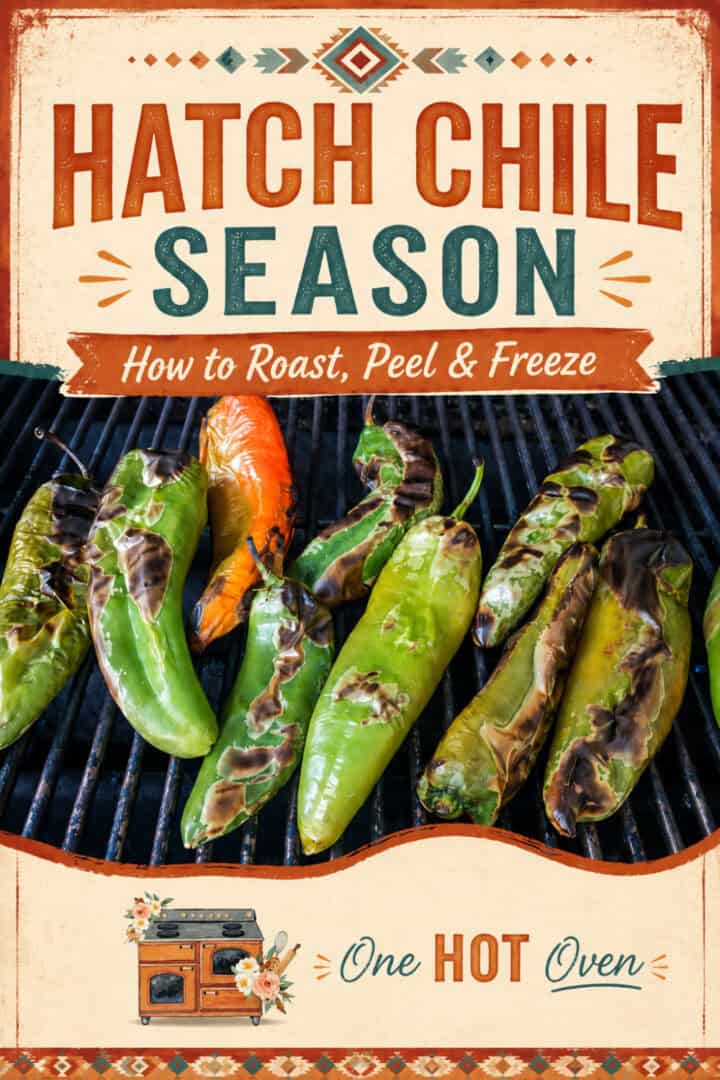
The grill is my favorite way to roast Hatch chiles because the open flame adds smoky flavor and keeps the heat outside the kitchen.
- Heat a gas or charcoal grill to medium-high heat.
- Wash the chiles and dry them well.
- Place the whole chiles directly on the grill grates. Do not add oil.
- Grill for approximately 8 to 12 minutes, turning every few minutes.
- Remove the peppers when the skins are blistered and blackened on most sides.
Do not worry if every inch is not completely black. You want the skin blistered and loose, but you do not want to burn the pepper flesh underneath.
The exact roasting time will depend on the size of the peppers and the heat of your grill. Watch the skins rather than relying only on the clock.
How To Roast Hatch Chiles Under The Broiler
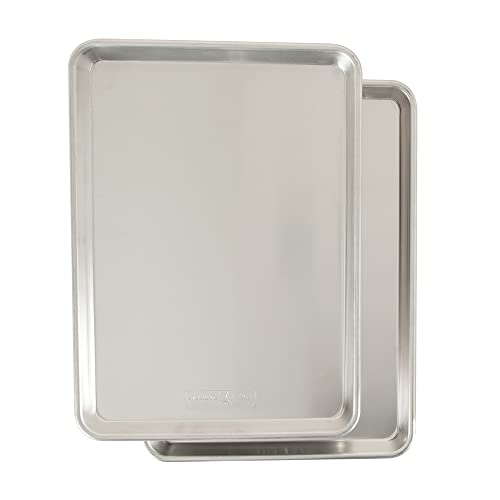
No grill? Place the chiles on a foil-lined baking sheet 5 to 6 inches below the broiler. Turn them as the skins blister and blacken, about 6 to 10 minutes total.


How To Steam And Peel Hatch Chiles
As soon as the peppers come off the grill or out of the oven, transfer them to a rimmed baking sheet and cover them with a clean kitchen towel or foil for 10 to 15 minutes. The trapped steam helps loosen the skins.
Once the peppers are cool enough to handle:
- Pull or rub off the loose skins.
- Cut or pull off the stem.
- Open the chile and scrape out the seeds.
- Leave the chile whole or chop it for recipes.
I do not rinse the peppers unless there are stubborn bits of skin or seeds that will not come off. Rinsing can wash away some of the roasted flavor.
You also do not need to remove every tiny black speck. A few pieces of charred skin are perfectly fine.
Wear gloves if you are working with hot or extra-hot chiles. The oils can remain on your hands longer than you think, usually until the exact moment you rub your eye.
Common Hatch Chile Roasting Mistakes
Roasting at too low a temperature
The heat needs to be high enough to blister the skin quickly. Slowly baking the peppers can soften them without loosening the skin properly.
Peeling them immediately
Give the peppers 10 to 15 minutes to rest while covered. The steam makes peeling much easier.
Forgetting the heat label
Mild and extra-hot Hatch chiles can look nearly identical. Label freezer bags clearly unless you enjoy surprise breakfasts.
How to Store and Freeze Hatch Chiles
Refrigerate roasted Hatch chiles within two hours and use or freeze them within three days. They can be frozen whole or chopped, peeled or unpeeled. Pack them in small portions, press out as much air as possible and label each bag with the date and heat level. For the best quality, use them within 12 months.
I like small portions because I can pull out just enough for scrambled eggs, beans or cornbread without thawing the whole batch.
A Note About Canning Green Chiles
Plain Hatch chiles are a low-acid food and cannot be safely canned in a boiling-water bath. Use a tested pressure-canning recipe, or freeze the roasted chiles instead.
Common Questions about Hatch Chiles
Can You Eat Hatch Chiles Raw?
Yes. Raw Hatch chiles can be chopped for salsa, salads and other fresh dishes. Roasting makes them softer, smokier and easier to peel.
Do Hatch Chiles Need To Be Peeled?
They do not have to be peeled for safety, but the outer skin can be tough and papery. Most people peel the peppers after roasting, especially when using them in sauces, soups and casseroles.
Are Hatch Chiles Hotter Than Jalapeños?
Some are, and some are not. Mild Hatch chiles are generally less spicy than jalapeños, while hot and extra-hot varieties may be stronger. Check the heat level on the package and taste a small piece before adding a large amount to a recipe.
Fresh Hatch chiles may only be available for a short time, but roasting and freezing them lets you use that smoky green chile flavor all year. I usually freeze mine in small portions so I can add just enough to eggs, beans, soup or cornbread without thawing a full bag.
Subscribe here for more great recipes, and follow One Hot Oven for more tasty sweet and savory recipes! Pinterest | Instagram | Facebook
Have you roasted Hatch chiles before. Rate ⭐⭐⭐⭐⭐ and leave a comment and tell me whether you prefer mild, medium or hot.
Get The Printable How To
How To Roast Hatch Chiles
Equipment


Ingredients
- 1 pound Fresh Hatch chiles
Instructions
Grill Instructions
- Heat the grill to medium-high.
- Wash the chiles and dry them well.
- Place the whole chiles directly on the grill grates.
- Grill for 8 to 12 minutes, turning every few minutes, until the skins are blistered and blackened on most sides.
- Transfer the roasted chiles to a rimmed baking sheet.
- Cover with a clean towel or aluminum foil and let them rest for 10 to 15 minutes.
- When cool enough to handle, peel off the loose skins and remove the stems and seeds.
- Use immediately, refrigerate or freeze.
Alternative Oven Broiler Instructions
- Place an oven rack 5 to 6 inches below the broiler and preheat the broiler.
- Wash and dry the chiles, then arrange them whole on the pan.
- Broil for 6 to 10 minutes, turning as needed, until the skins are blistered and blackened on most sides.
- Remove the pan from the oven and cover the chiles with foil or a clean kitchen towel.
- Let them rest for 10 to 15 minutes.
- Peel and remove the stems and seeds once the peppers are cool enough to handle.
Storage
- Refrigerate roasted Hatch chiles within two hours. Use or freeze them within three days.Freeze the chiles whole or chopped, peeled or unpeeled, in labeled freezer bags. For the best quality, use them within 12 months.
Notes
- Roasting time depends on the size of the peppers and the heat of your grill or broiler.
Watch the skins rather than relying only on the clock.
Do not oil the peppers before roasting.
Avoid rinsing peeled chiles unless necessary.
Wear gloves when handling hot or extra-hot peppers.
Label frozen packages with the heat level. Mild and hot peppers can look alike once frozen.
As an Amazon Associate I earn from qualifying purchases.
Originally published August 8, 2025, this post was updated on August 6, 2026, with new roasting, storage, and serving tips.
Thank you for stopping by the One Hot Oven blog. Please leave a comment to say hello or tell me what you are baking; I always love hearing from fellow bakers. Do you have any questions or want to chat about the recipe? Please visit my About page for information, and I’ll be happy to help!
Hello there, I’m Jere’
From learning to cook on a farm in Indiana to culinary school in California, my passion for food is never-ending. Turning on my oven to bake something for friends and family is my happy place, and I am glad to be here at One Hot Oven® sharing sweet and savory family-friendly recipes for your cooking and baking inspiration.

This article originally appeared on Food Drink Life.