


Freezing food is one of the easiest ways to stretch the grocery budget and keep good food from going to waste. Bread, butter, cooked chicken, shredded cheese, cookie dough, fruit and even eggs can all be frozen for later when they are packaged correctly.

Want to save this recipe?
Enter your email & I’ll send it to your inbox. Plus, get great new recipes from me every week!
This page may contain affiliate links. Please see my disclosure for policy details. I earn commissions if you shop through the links on this page.
I freeze ingredients when they are on sale, leftovers we cannot finish and small amounts that would otherwise be forgotten in the refrigerator. Those packages add up to easier dinners, quick baking projects and fewer last-minute trips to the grocery store.
Below you’ll find more than 25 foods that freeze well, along with practical tips for wrapping, storing and thawing them.
What Foods Freeze Well?
Many everyday foods freeze well, including:
- Meat and poultry
- Butter, cheese and eggs
- Bread, dough and baked goods
- Fruits and vegetables
- Broth, rice and sauces
- Soups, casseroles and prepared meals
For the best results, package food in the portions you will use, remove as much air as possible and label everything with the name of the food and the date it was frozen.
Why Freeze Food?
Keeping a well-stocked freezer makes everyday cooking a little easier.
- You can buy meat, butter and other staples when they are on sale.
- Extra portions of cooked food become another meal instead of going to waste.
- Seasonal fruits and vegetables can be saved for later.
- Bread, muffins and desserts can be frozen in individual portions.
- Small amounts of broth, tomato paste, herbs and sauces are ready when a recipe calls for them.
- A frozen casserole can rescue dinner on a busy evening.
I also freeze odds and ends that do not look like much on their own. Vegetable scraps become broth, ripe bananas become banana bread, and the last few cookies can be tucked away before someone feels obligated to finish the whole batch. Sometimes that someone is me.
Basic Tips for Freezing Food
Freeze Food in Useful Portions
- Think about how much you are likely to need at one time. Freeze meat in meal-size portions, wrap baked goods individually and divide broth into one- or two-cup portions.
- Smaller portions freeze and thaw more quickly, and you will not have to defrost more food than you need.
Remove as Much Air as Possible
- Air inside the package contributes to freezer burn. Press excess air from freezer bags and wrap larger foods snugly.
- Cakes, meat and casseroles can be wrapped first in plastic wrap or freezer paper and then in foil for added protection.
Freeze Loose Pieces on a Tray First
- Fruit, chopped vegetables and cookie dough balls can freeze into a solid clump if placed directly into a bag.
- Arrange the pieces in a single layer on a parchment-lined baking sheet and freeze until firm. Transfer the frozen pieces to a freezer bag or container.
Label Everything
- Write the name of the food and the date on the package. Add reheating or baking directions when they might be helpful later.
- Mystery packages are not nearly as much fun as they sound.
Freezer Supplies I Use
Silicone freezer cube trays
Freezer bags
Freezer-safe glass or plastic containers
Sheet pan
Freezer labels
Meat and Poultry That Freeze Well
Bacon
Both cooked and uncooked bacon can be frozen.
I like to dice bacon and fry it for bacon crumbles. Let the cooked bacon drain and cool, then place it in a freezer-safe bag or container. You can remove just what you need for salads, casseroles, soups or baked potatoes.
To freeze uncooked bacon, arrange five or six slices on a piece of wax paper or parchment paper. Wrap the packet and place it inside a freezer bag. You can also roll individual bacon slices into coils and freeze them on a tray before transferring them to a bag.


Raw Chicken and Turkey
Chicken and turkey are good foods to buy in larger packages when they are on sale.
You can also freeze chicken bones and carcasses for later use in homemade chicken stock.

Divide the meat into the portions you normally cook. Wrap individual pieces or meal-size portions tightly, then place them in freezer bags. If freezing meat in its original store packaging for more than a short time, add another layer of freezer wrap or foil.


Can Cooked Chicken Be Frozen?
Yes, cooked chicken freezes well, including baked, boiled, grilled and rotisserie chicken.
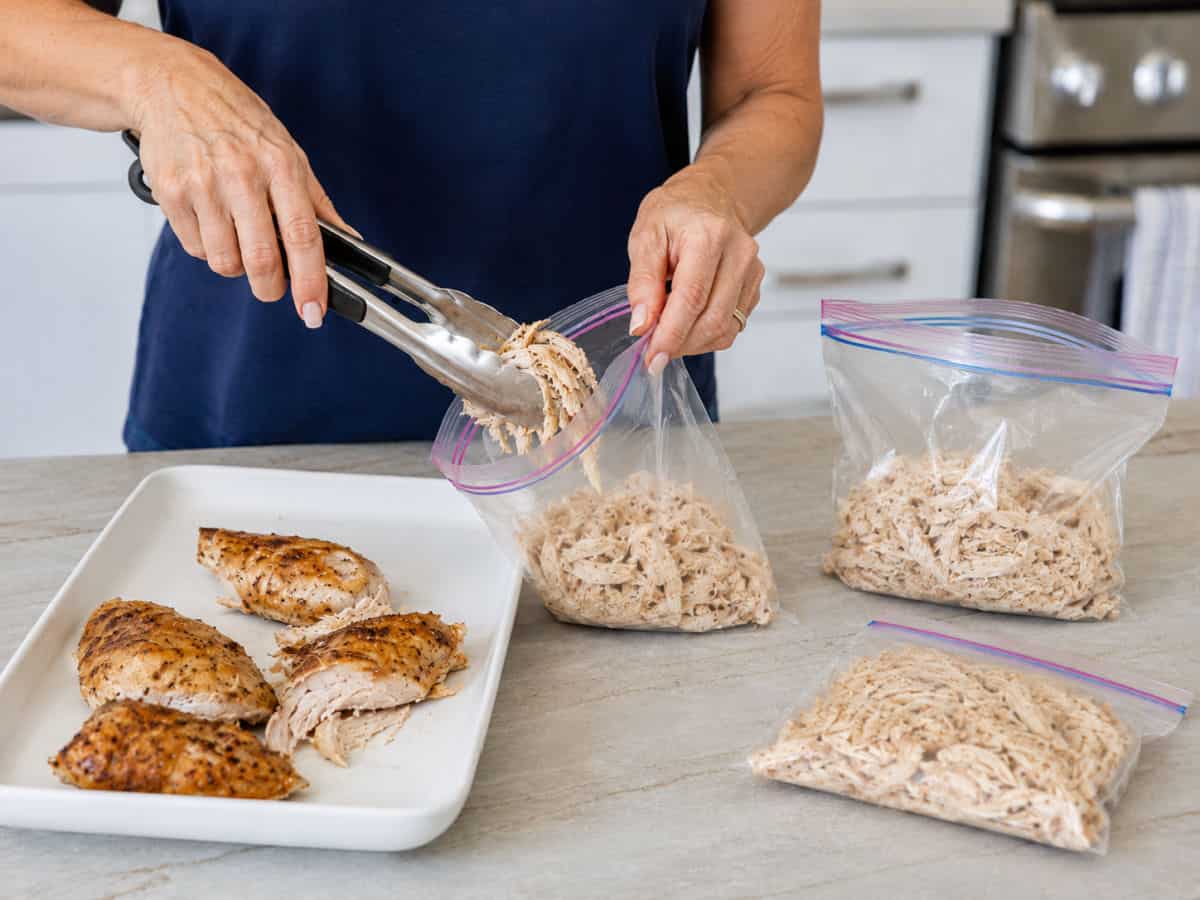
Cool the chicken promptly, remove it from the bones and store it whole, sliced or shredded in meal-size portions. Use an airtight freezer container or freezer bag and remove as much air as possible.
I often add a spoonful of broth to shredded chicken before freezing it. That little bit of moisture helps keep the chicken from drying out when it is reheated.
Thaw cooked chicken in the refrigerator and use it in soups, casseroles, sandwiches or quick skillet meals.
Ground Beef
You can freeze ground beef in its original package for a short period, but it will be better protected if you wrap it again or transfer it to a freezer bag.
When I buy ground beef in bulk, I divide it into the amounts I usually need for recipes. Flattening the meat inside the freezer bag helps it freeze and thaw more quickly.
You can also shape the beef into hamburger patties. Place wax paper or parchment between the patties before packing them into a freezer bag.
Dairy and Eggs
Butter
Butter freezes exceptionally well, so this is one grocery item I stock up on when it goes on sale.
You can place unopened boxes of butter directly in the freezer. For longer storage, place the boxes in a freezer bag to prevent the butter from absorbing other odors.
Thaw butter overnight in the refrigerator. When I need softened butter for baking, I let the thawed stick come to room temperature before using it.
Cheese
Shredded cheddar, mozzarella and similar cheeses can be divided into smaller portions and frozen in freezer bags. The cheese may become a little more crumbly after thawing, but it still works well in casseroles, soups, sauces and other cooked dishes.
Hard Parmesan rinds can also be saved in the freezer. Add one to a pot of soup or sauce while it simmers, then remove the rind before serving.
Soft cheeses and blocks of cheese meant for slicing may undergo a more noticeable texture change, so I generally freeze cheese that I plan to cook with.
Eggs
Do not freeze raw eggs in their shells. The liquid expands as it freezes and may crack the shell.
If a recipe calls for only the whites or yolks, freeze the unused portion rather than letting it go to waste.
Whole Eggs
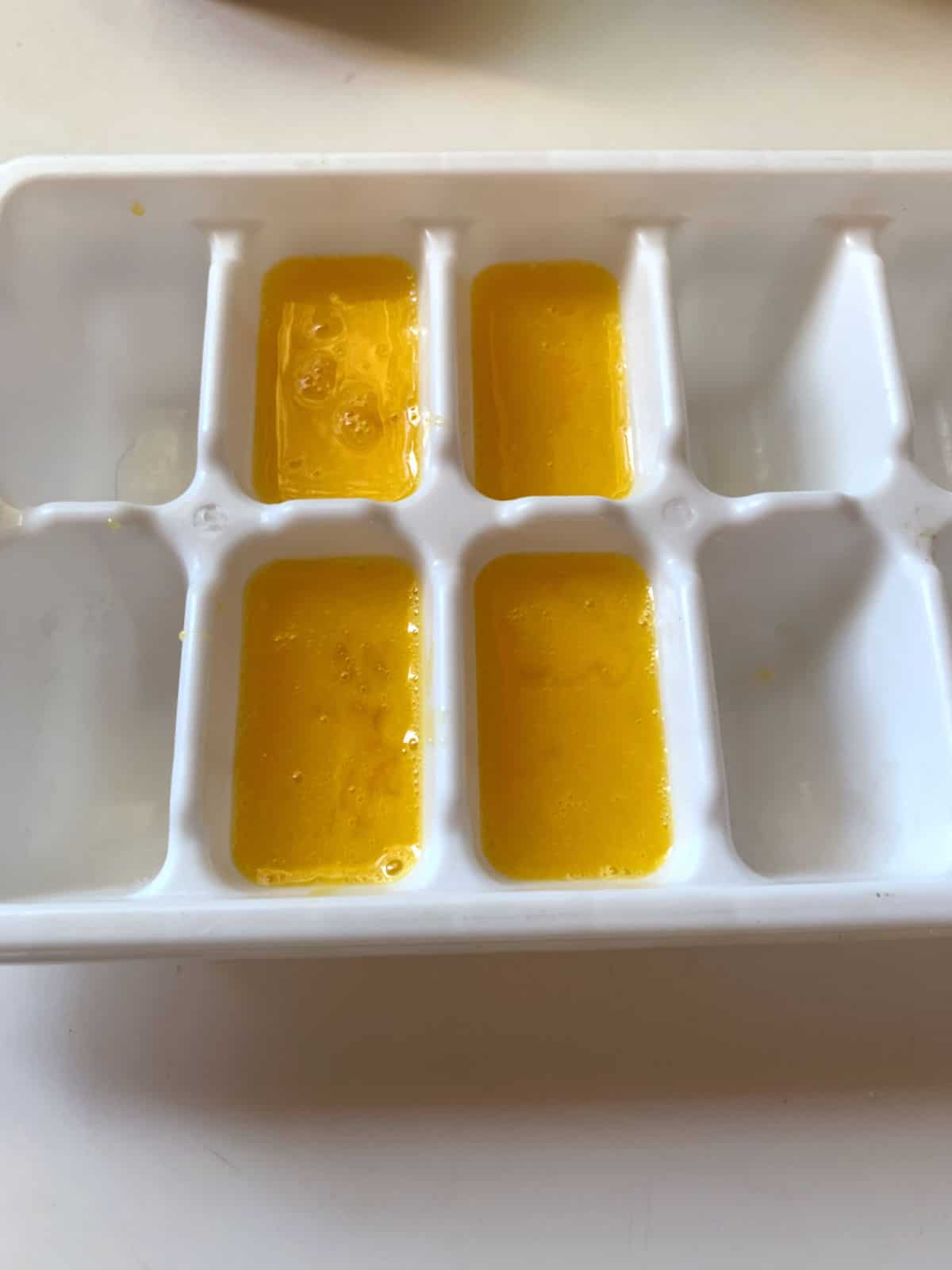
Break each egg into a bowl and gently mix the yolk and white together without beating in a lot of air. Pour one mixed egg into each ice cube tray compartment if it fits, or measure the eggs into small freezer containers. Label each portion with the number of eggs it contains.
Egg Whites
Egg whites freeze well without any special preparation. Portion them into an ice cube tray or small containers, freeze and transfer them to a labeled freezer bag.
They can be used later for baking or egg washes.
Egg Yolks
Egg yolks can become thick and gelatinous when frozen by themselves. Gently mix them with salt for savory recipes or sugar for sweet recipes before freezing. For each cup of yolks, use ½ teaspoon salt or 1½ tablespoons sugar, then freeze the mixture in measured portions.
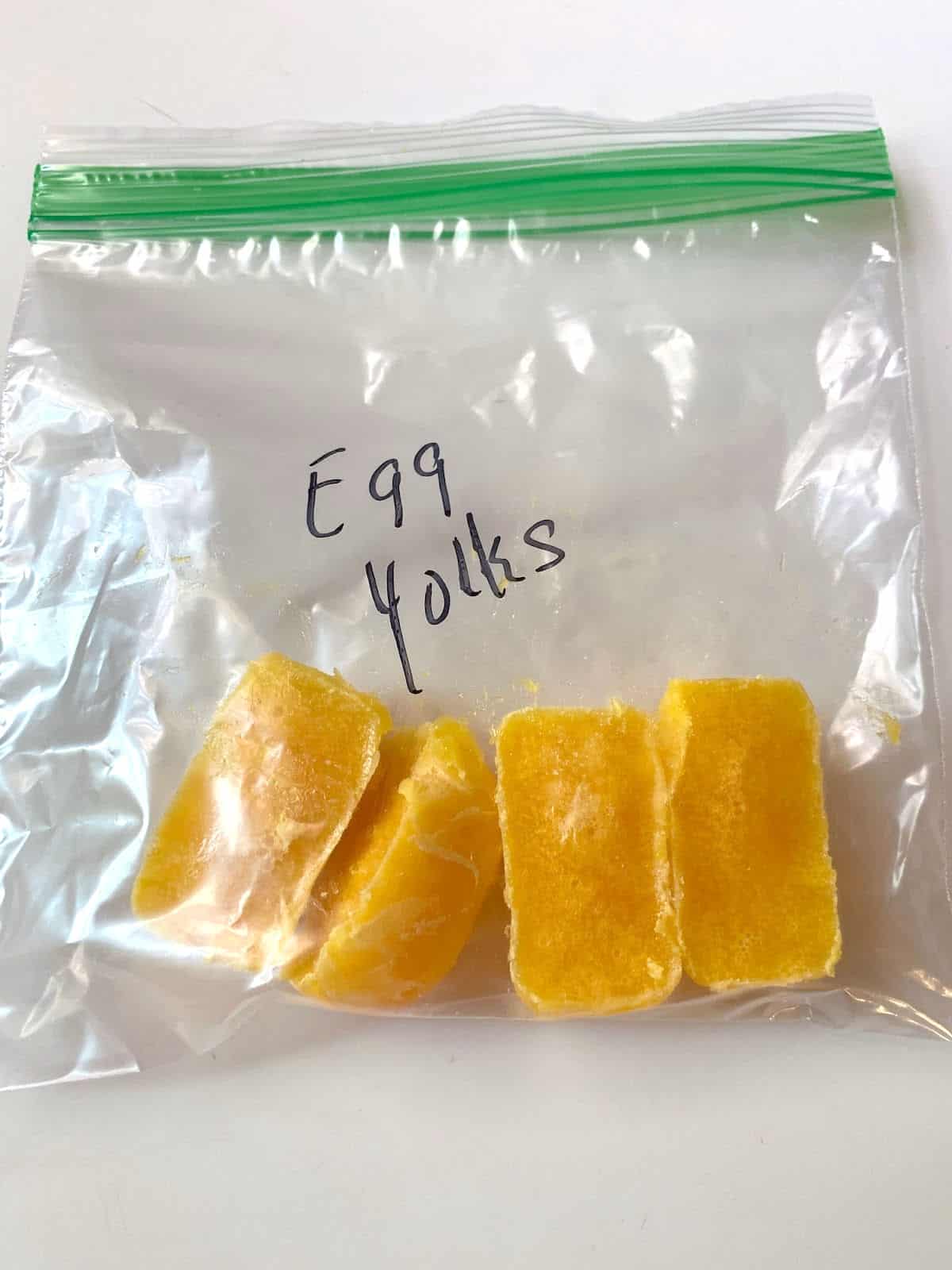
Place the beaten yolks in an ice cube tray to freeze, then transfer them to a labeled freezer bag.
My complete guide to freezing raw eggs explains how I prepare and portion them.
Always thaw frozen eggs in the refrigerator before using them.
Bread, Dough and Baked Goods
Bread and Cornbread
Bread, rolls, biscuits and cornbread all freeze well.
Freeze a whole loaf when you know you will use it at once, or separate it into smaller portions. Individual slices can usually be removed while still frozen and thawed on the counter or warmed in the toaster.
Stale bread and cornbread can also be frozen for stuffing, bread pudding, croutons or bread crumbs.
Wrap bread tightly so it does not dry out or absorb freezer odors.
Cookie Dough
Frozen cookie dough is one of my favorite things to keep on hand. You can bake a few cookies without making an entire batch from scratch.
Scoop the dough into balls and place them on a parchment-lined baking sheet. Flatten them slightly if that is how the recipe is normally prepared. Freeze until firm, then transfer the dough balls to a labeled freezer bag.
Write the oven temperature and baking time on the bag. Some cookie dough can be baked directly from frozen, though it may need an extra minute or two in the oven.
Slice-and-bake dough can be shaped into a log, wrapped tightly and frozen. Let it soften just enough to slice before baking.


Cookies, Brownies, Muffins and Cake
Most unfrosted baked goods freeze very well.
Good choices include:
- Cookies
- Brownies and bar cookies
- Muffins
- Quick breads
- Plain doughnuts
- Unfrosted cake layers
- Individual slices of cake
Let baked goods cool completely before wrapping them. Warm baked goods create condensation inside the package, which can lead to ice crystals and a damp texture.
Wrap slices individually for single portions. Place cookies and brownies between layers of parchment paper so they do not stick together.
Whenever possible, freeze cakes without frosting. Buttercream usually freezes reasonably well, but whipped cream, custard and some cream cheese fillings may not hold their texture as nicely.
Thaw wrapped baked goods at room temperature. Keeping them wrapped while they thaw helps prevent condensation from forming directly on the food.
Pie Dough
Shape homemade pie dough into a disk and wrap it tightly in plastic wrap. Place the wrapped disk in a freezer bag and label it.
Thaw the dough overnight in the refrigerator before rolling it out. My homemade pie dough is a handy recipe to prepare ahead and freeze until you are ready to bake.
You can also freeze an unbaked pie crust directly in a freezer-safe pie plate. Wrap the entire plate well before freezing.
Fruits and Vegetables
How to Freeze Fruit
Most fruit can be frozen, although it will usually become softer after thawing. That makes frozen fruit especially useful for smoothies, sauces, cobblers, pies and baked goods.
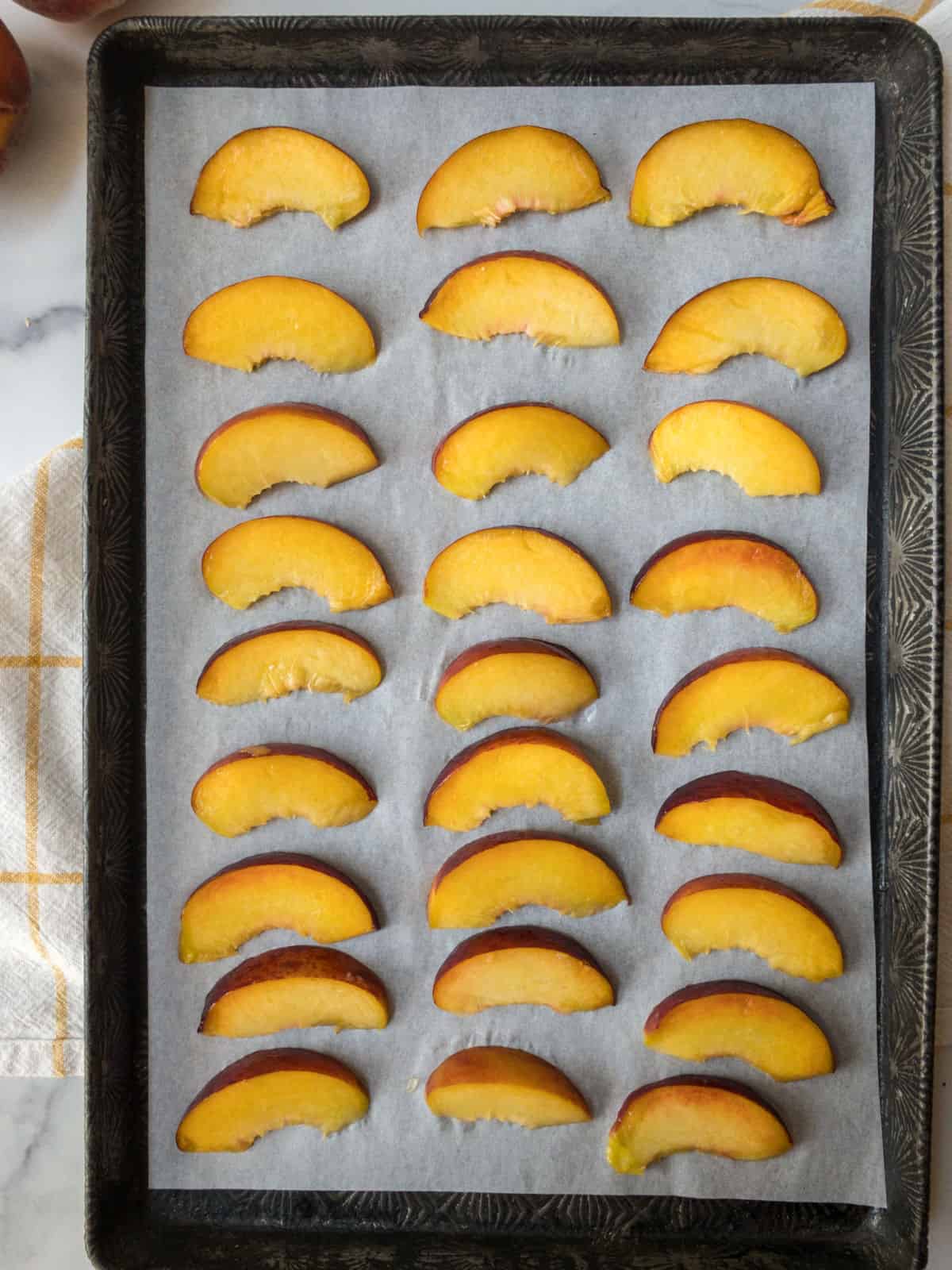
Wash and dry the fruit. Peel, pit, hull or slice it as needed, then arrange it in a single layer on a parchment-lined baking sheet.
Freeze until firm and transfer the pieces to freezer bags. Press out the excess air before sealing.
Apples
Core and slice or dice apples before freezing them. Peeling is optional and depends on how you plan to use them.
Frozen apples work well in cooked dishes such as pies, crisps, sauces and oatmeal. You can also freeze cooked apples.
Bananas
Bananas can be frozen whole with the peel on, but the peel will turn dark and become harder to remove. I usually peel bananas first when I plan to use them in smoothies or baking. Freeze them whole or cut them into chunks, then store them in a freezer bag.
Frozen bananas work well in smoothies and baked desserts, including my Banana Cake Roll.
Very ripe bananas are not a lost cause. They are practically volunteering for freezer duty.

Berries
Blueberries, blackberries, raspberries and cranberries are easy to freeze.
Wash the berries when needed, dry them thoroughly and freeze them in a single layer before packing them into bags.
Fresh cranberries can be frozen right in their unopened store bag. I buy extra bags during cranberry season so I have them for recipes throughout the year.
Strawberries should be hulled before freezing. Leave small berries whole or slice larger berries depending on how you plan to use them.


Cherries and Grapes
Wash, stem and pit cherries before freezing them on a tray. Once firm, transfer them to a freezer bag.
Seedless grapes can also be frozen on a tray. They make a refreshing snack when eaten directly from the freezer.
Lemons
Lemons can be frozen whole, sliced or juiced.
Whole frozen lemons can be grated while still frozen when you need zest. Lemon slices can be frozen on a tray and then stored in a bag for drinks or cooking.
Freeze lemon juice in ice cube trays and transfer the frozen cubes to a labeled bag. Measure the amount held by each compartment so you know how much juice you are adding later.


Peaches and Other Stone Fruit
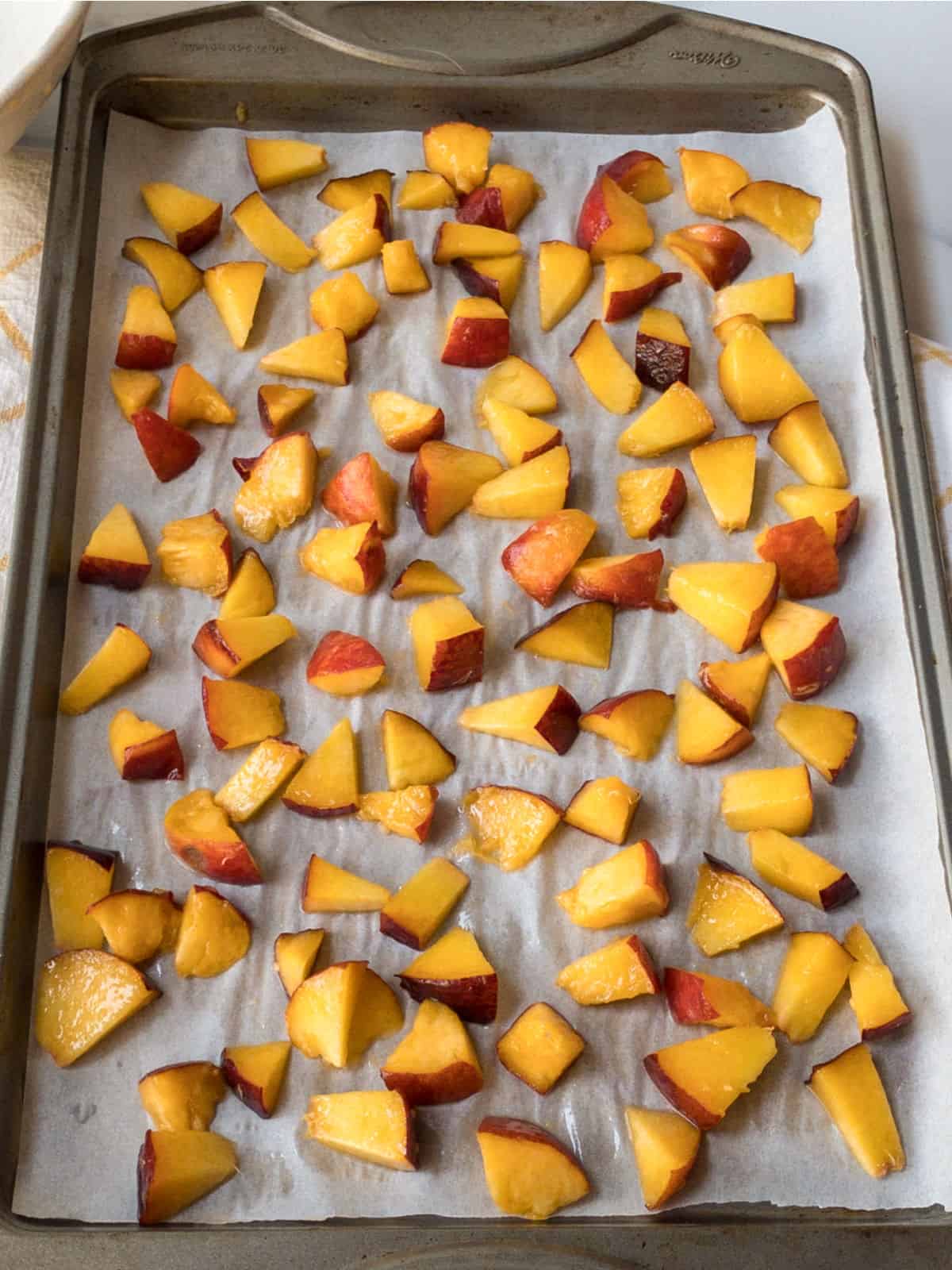
Peaches, nectarines, plums and apricots can be washed, pitted and sliced before freezing.
Arrange the fruit on a baking sheet and freeze the pieces separately before transferring them to freezer bags. Frozen stone fruit works especially well in smoothies and baked desserts.
My guide to freezing peaches walks you through the full process, including how to prepare, freeze and store fresh peach slices.
Pineapple
Cut fresh pineapple into slices or chunks and freeze the pieces on a tray. Transfer them to a freezer bag once firm.
Frozen pineapple is good for smoothies, sauces and cooked dishes.
Vegetables
Many vegetables should be blanched briefly before freezing to help retain their color, flavor and texture. Blanching means briefly boiling or steaming the vegetables, then quickly cooling them in ice water. Vegetables that freeze well include:
- Green beans
- Corn
- Peas
- Broccoli florets
- Cauliflower florets
- Chopped onions
- Chopped peppers
- Chopped or pureed tomatoes
- Diced zucchini
Celery can also be frozen, but it loses its crisp texture. Use frozen celery in cooked dishes such as soup, stew or casserole rather than serving it raw.
Chopped onions and peppers can be frozen in a thin layer and broken apart as needed. I often cook them directly from frozen.
Vegetable Scraps
Save clean garlic and onion ends, carrot peelings, herb stems and other usable vegetable scraps in a bag in the freezer.
When the bag is full, use the scraps to flavor homemade chicken or vegetable broth. Avoid badly bruised, moldy or spoiled pieces. Freezing does not make spoiled food good again.
Fresh Ginger
Fresh ginger is easy to freeze and can be grated while still frozen.
Place the whole ginger root in a freezer bag, peeled or unpeeled. You can also peel and slice the ginger before freezing it.
Fresh Herbs
Chop fresh herbs and place them in the compartments of an ice cube tray. Cover them with water or olive oil and freeze.
Once firm, transfer the cubes to a labeled freezer bag. The cubes can be added to soups, stews and sauces.
Herbs that work well this way include:
- Basil
- Cilantro
- Dill
- Parsley
- Rosemary
- Sage
- Thyme
The herbs will not retain the firm texture needed for a fresh garnish, but their flavor can still be useful in cooked dishes.
Soups, Sauces and Meal Starters
Broth and Stock
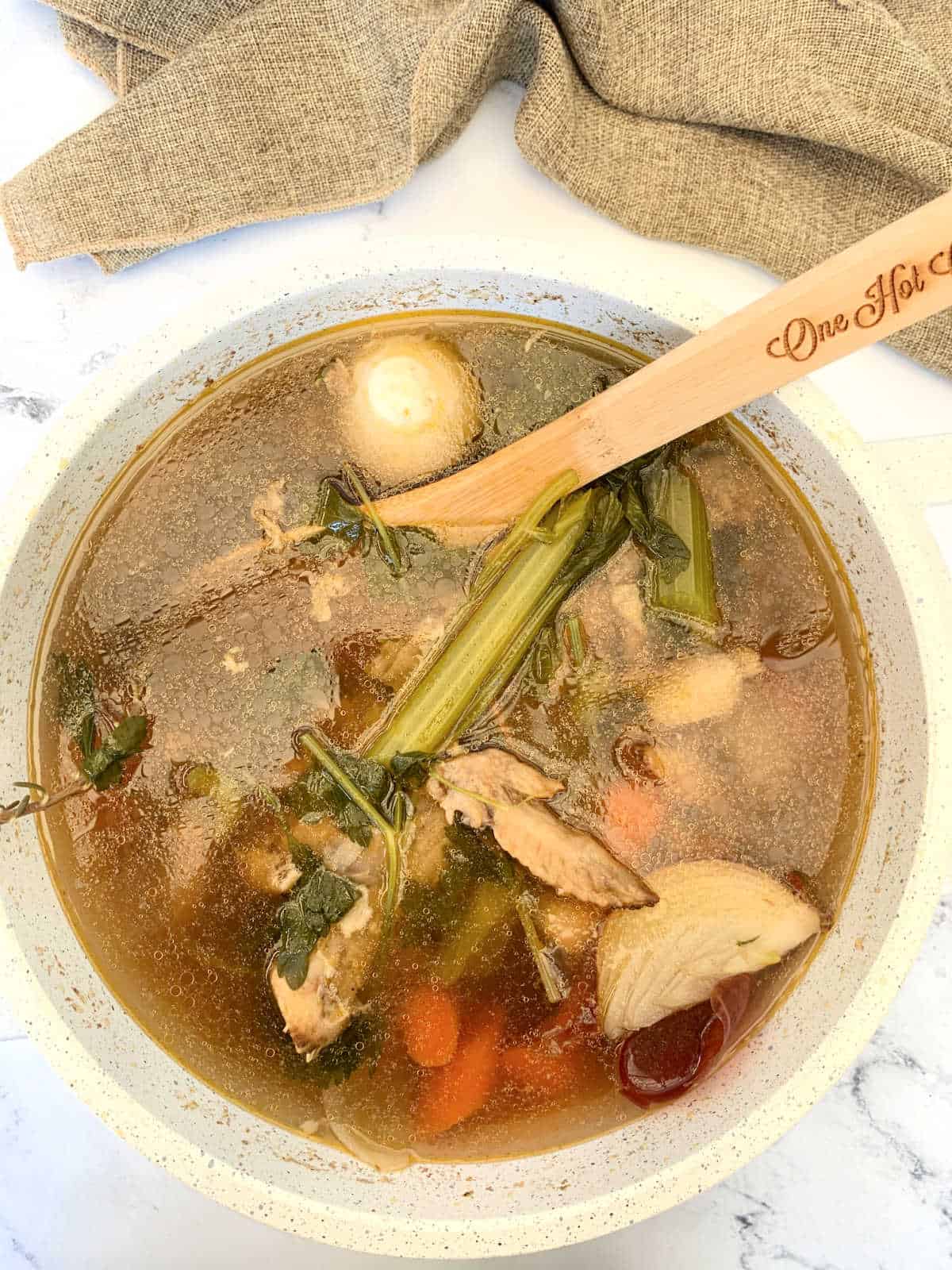
Homemade broth freezes well and is useful for soups, sauces, gravy and casseroles.
I save clean garlic and onion ends, carrot peelings, herb stems, tomato cores and chicken bones in the freezer. When I have enough, I use them to make homemade chicken stock, then freeze the stock in the amounts I commonly use.
Freeze broth in sturdy freezer containers, silicone portion trays or freezer bags laid flat. Leave some headspace in rigid containers because liquids expand as they freeze.
Make sure freezer bags are completely sealed before laying them flat. A bag of chicken broth leaking through the freezer is not a character-building experience anyone needs.

Cooked Rice
Cooked rice can be frozen in meal-size portions.
Cool it promptly in a shallow container, then transfer it to freezer bags or airtight containers. Flatten freezer bags so the rice freezes quickly and stacks neatly.
Reheat frozen rice until it is steaming hot throughout. Adding a spoonful of water before reheating can help restore moisture.
Sauces and Gravy
Tomato-based pasta sauce, barbecue sauce and many gravies can be frozen.
Cool the sauce promptly and divide it into small containers or freezer bags. Leave headspace when freezing liquids in rigid containers.
Cream sauces may separate after freezing. They can sometimes be brought back together with gentle reheating and stirring, but the texture may not be exactly the same.
Tomato Paste
Recipes often call for only one or two tablespoons of tomato paste, leaving most of the can behind.
Spoon tablespoon-size portions onto a parchment- or wax-paper-lined tray and freeze until firm. Transfer the frozen portions to a freezer bag.
Label the bag to show that each portion equals one tablespoon.
Soup
Broth-based soups generally freeze very well. Divide cooled soup into individual or family-size portions and leave room for expansion at the top of the container.
Cream-based soups may separate or develop a grainy texture after freezing. For better results, freeze the soup before adding cream and stir it in when reheating.
Pasta, rice and potatoes can become softer in frozen soup. When possible, freeze the soup base separately and add freshly cooked pasta or rice when you serve it.
Thaw the soup in the refrigerator, or reheat it directly from frozen in a saucepan or a microwave-safe container.
Casseroles and Prepared Meals
Divide a baked casserole into smaller portions for quick individual meals.
Cool the casserole promptly, then wrap the dish or portions tightly. A layer of plastic wrap, followed by foil, provides added protection.
My hamburger hashbrown casserole is the kind of hearty meal that can be portioned for another busy day.
Reheating Casseroles
Casseroles can be thawed overnight in the refrigerator or reheated from frozen, although a frozen casserole will take considerably longer.
Glass and ceramic dishes can crack when moved directly from a cold freezer into a hot oven. Check the manufacturer’s directions for your baking dish and thaw it in the refrigerator as needed.
Remove any plastic wrapping before placing the dish in the oven. Reheat cooked casseroles and other leftovers to 165°F in the center.
Start With What You Have
You do not have to fill the freezer in one afternoon. Start with the food you already have.
Freeze half a loaf of bread, leftover cooked chicken from dinner, or bananas getting too ripe on the counter. Save that spoonful of tomato paste instead of throwing it away. Make two casseroles and freeze one.
A few well-labeled packages can save money, prevent waste and make the next busy evening considerably easier.

Subscribe here for more great recipes, and follow One Hot Oven for more tasty sweet and savory recipes! Pinterest | Instagram | Facebook
First published: July 11, 2023; last updated: July 27, 2026, for better readability.
Thank you for stopping by the One Hot Oven blog. Please leave a comment to say hello, or just let me know what you are baking these days. I always love hearing from fellow bakers. Have any questions or just want to chat about the recipe? Please visit my About page for information, and I’ll be happy to help!
About Jere’
From learning to cook on a farm in Indiana to culinary school in California, my passion for food is never-ending. Turning on my oven to bake something for friends and family is my happy place, and I am glad to be here at One Hot Oven sharing both sweet and savory family-friendly recipes for your cooking and baking inspiration.


Thank you for this. so much info and so very useful! I have definitely been trying to find ways to save money at the grocery store with rising prices. I got some great tips here!
In times like these, that’s great advice! Thanks for all the useful info!
Wow! So many great tips for freezing here in this post. I especially like the idea of freezing yolks and veggie scraps. I hate food waste and really try to keep it to a minimum.